

Social selling is the art of leveraging social media to connect with prospects, build rapport, and establish credibility, so that when they're ready to buy, you're the obvious choice. We wrote a full guide on what social selling is and why it's replacing cold outbound; this post is the companion piece: the actual tools, all nine categories of them, and the real stories of how companies use them.
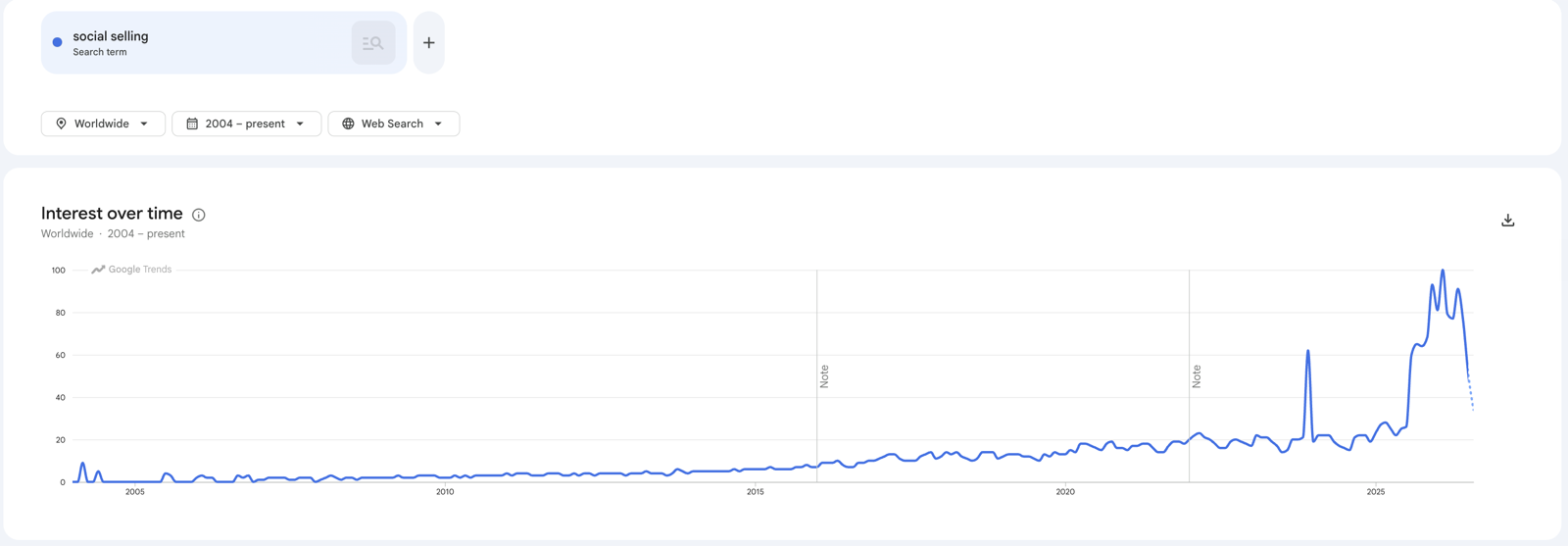
And the timing isn't subtle. Search interest in social selling crawled upward for a decade, then went vertical from 2024 on:
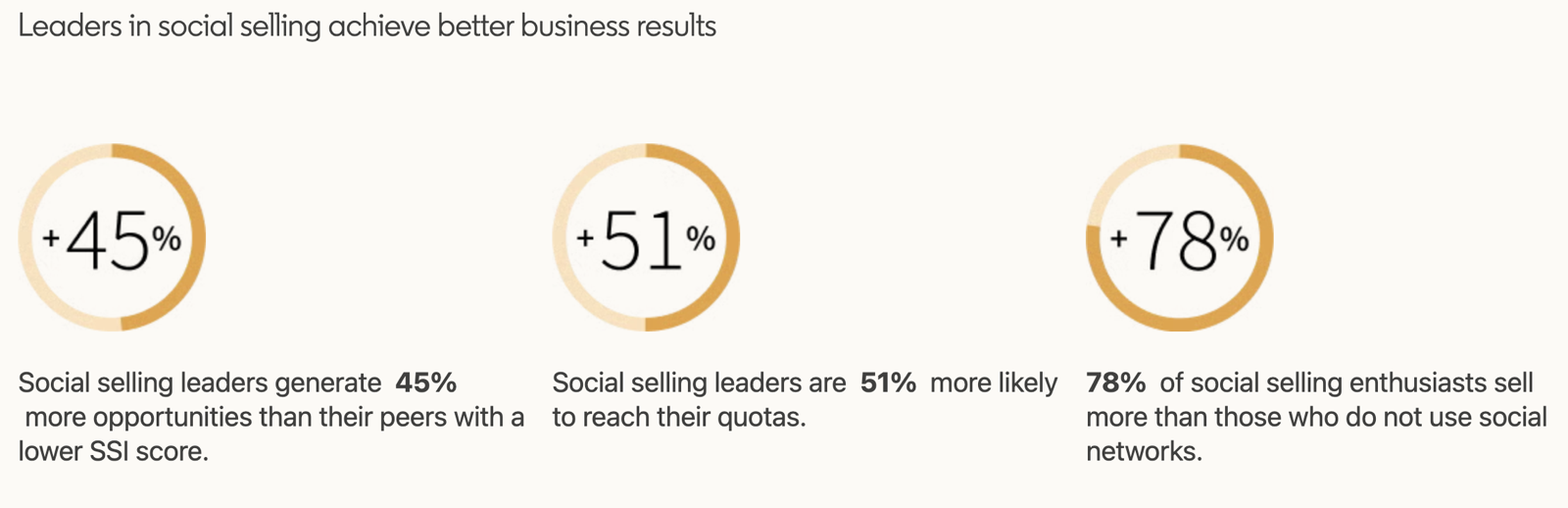
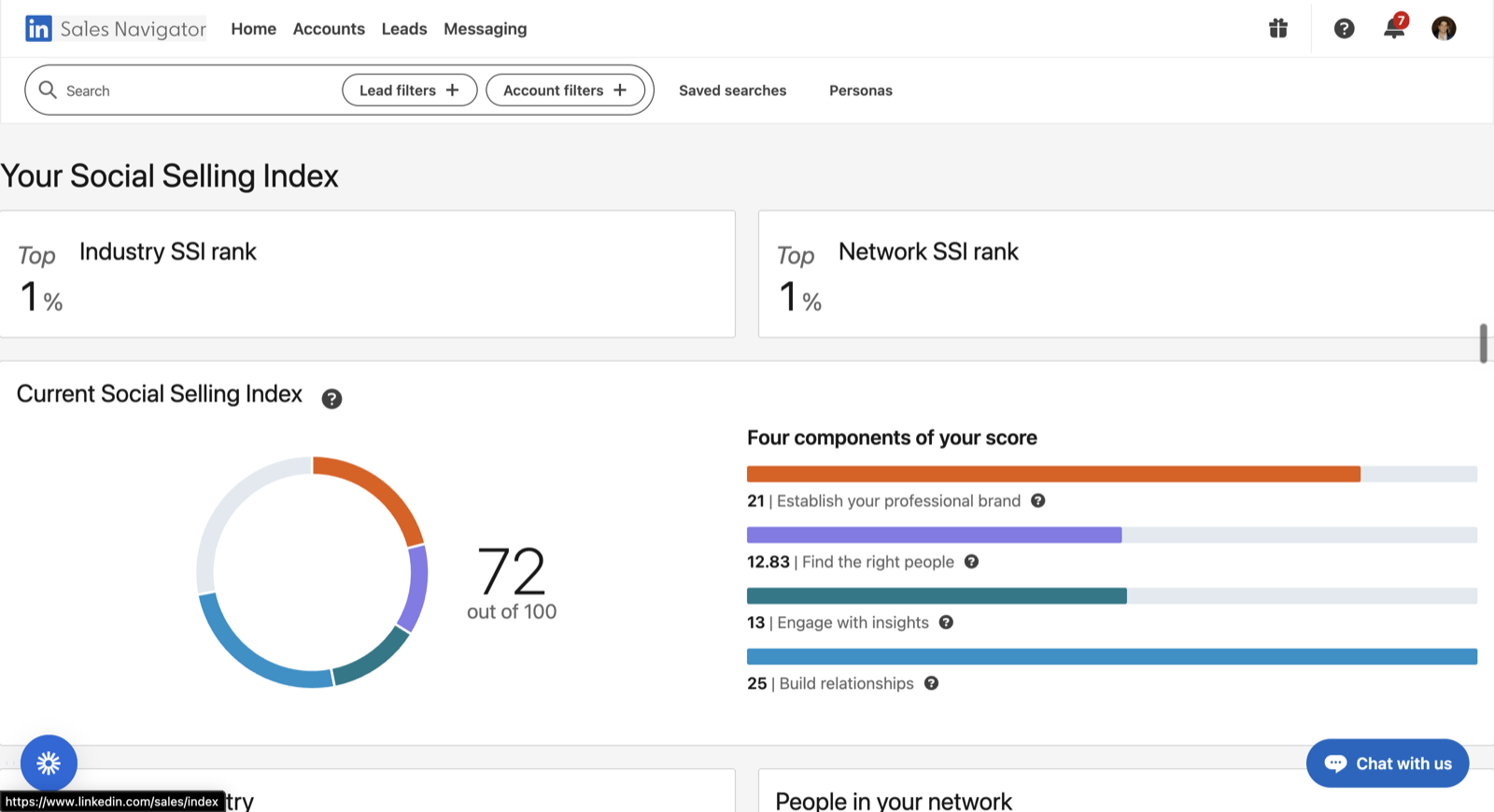
LinkedIn's own numbers explain why: social selling leaders create 45% more opportunities than peers with a lower Social Selling Index, are 51% more likely to hit quota, and 78% of social sellers outsell peers who don't use social media. (Curious where you stand? Check your score with our free LinkedIn SSI scorer.)
One pattern before the list: B2C always gets there first, and B2B follows about five years later. ManyChat and the Instagram-influencer wave were the original social selling machine; today the same playbooks are landing in B2B, where the best brands are becoming human-led. When you think HubSpot or Salesforce, you picture the people behind them. Why rent an audience when you can own one?
TL;DR: the 9 categories of social selling tools
📨 Social prospecting & outbound
HeyReach, Expandi, PhantomBuster, Dripify, Waalaxy, Instantly, Reply.io, Artisan
✍️ Content & thought leadership
Postbeam, Taplio, AuthoredUp, Hootsuite, Buffer
📣 Employee advocacy
Postbeam, DSMN8, Oktopost, EveryoneSocial, Sprout Social Advocacy
📡 Social listening & buyer intent
Common Room, Trigify, Gojiberry, Brand24, Mention, Syften
🤝 Engagement & relationships
Kondo, Go Extrovert
💬 Conversational inbound
ManyChat, Respond.io, SleekFlow
🎬 UGC, influencer & affiliate
Grin, CreatorIQ, Aspire, Impact, Passionfroot, ReelFarm
🛍️ Social commerce
Whatnot, TikTok Shop, Instagram Shopping, Shopify Collabs
📊 Attribution & revenue intelligence
Postbeam, HockeyStack, Dreamdata, Factors.ai, DataFast, Search Console
1. Social prospecting & outbound (the AI SDR wave)
Tools that send LinkedIn connection requests, messages, and emails at scale: HeyReach, Expandi, PhantomBuster, Dripify, Waalaxy, Instantly, Reply.io, and the AI-SDR crowd led by Artisan. Nearly all of them are $10M+ annual revenue businesses, which tells you how real the problem is. We've used PhantomBuster for five years, switched most LinkedIn outreach to HeyReach, and run email through Instantly and Reply.io. They're all more or less the same engine; pick the workflow and UI you like.
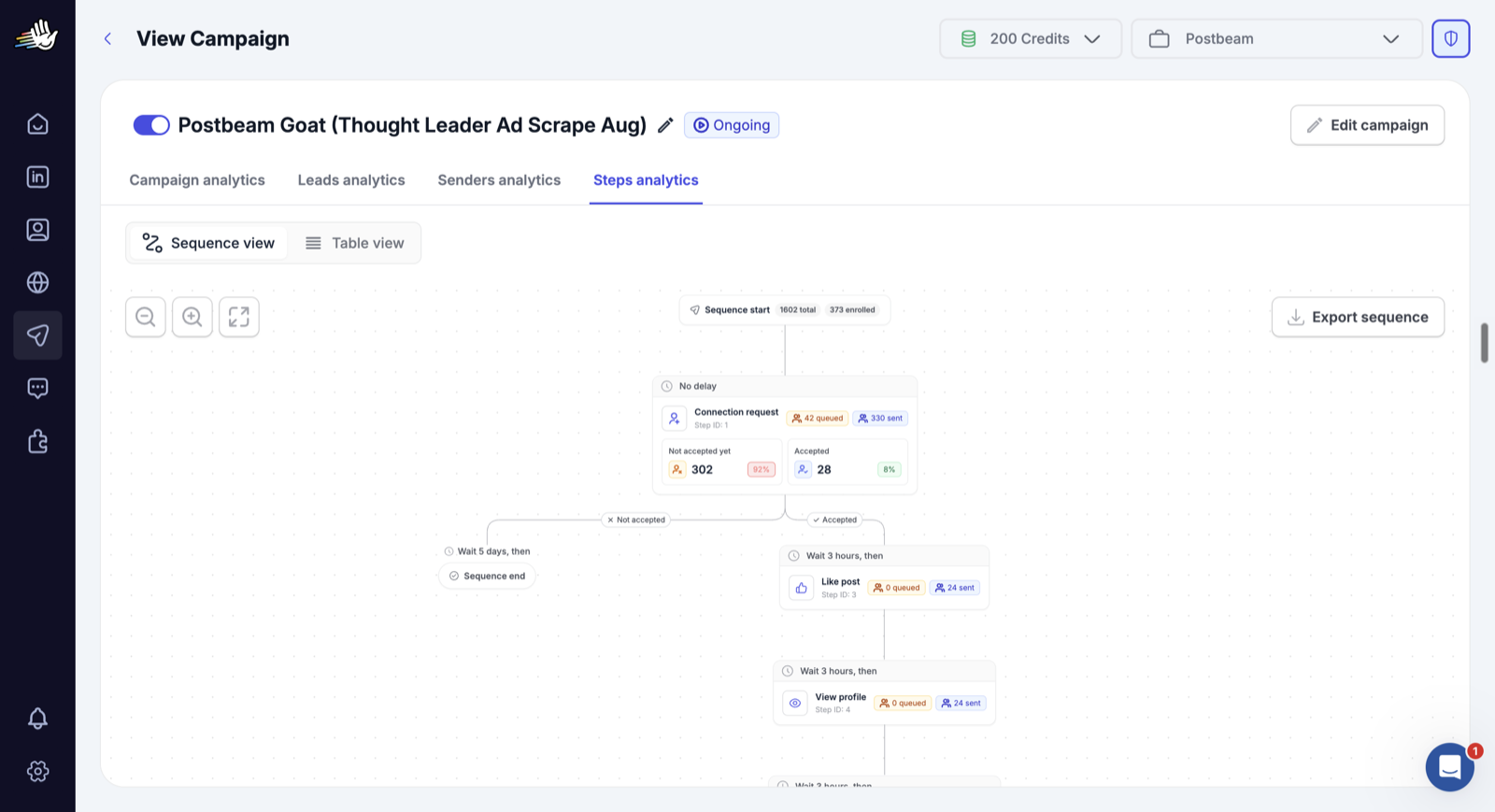
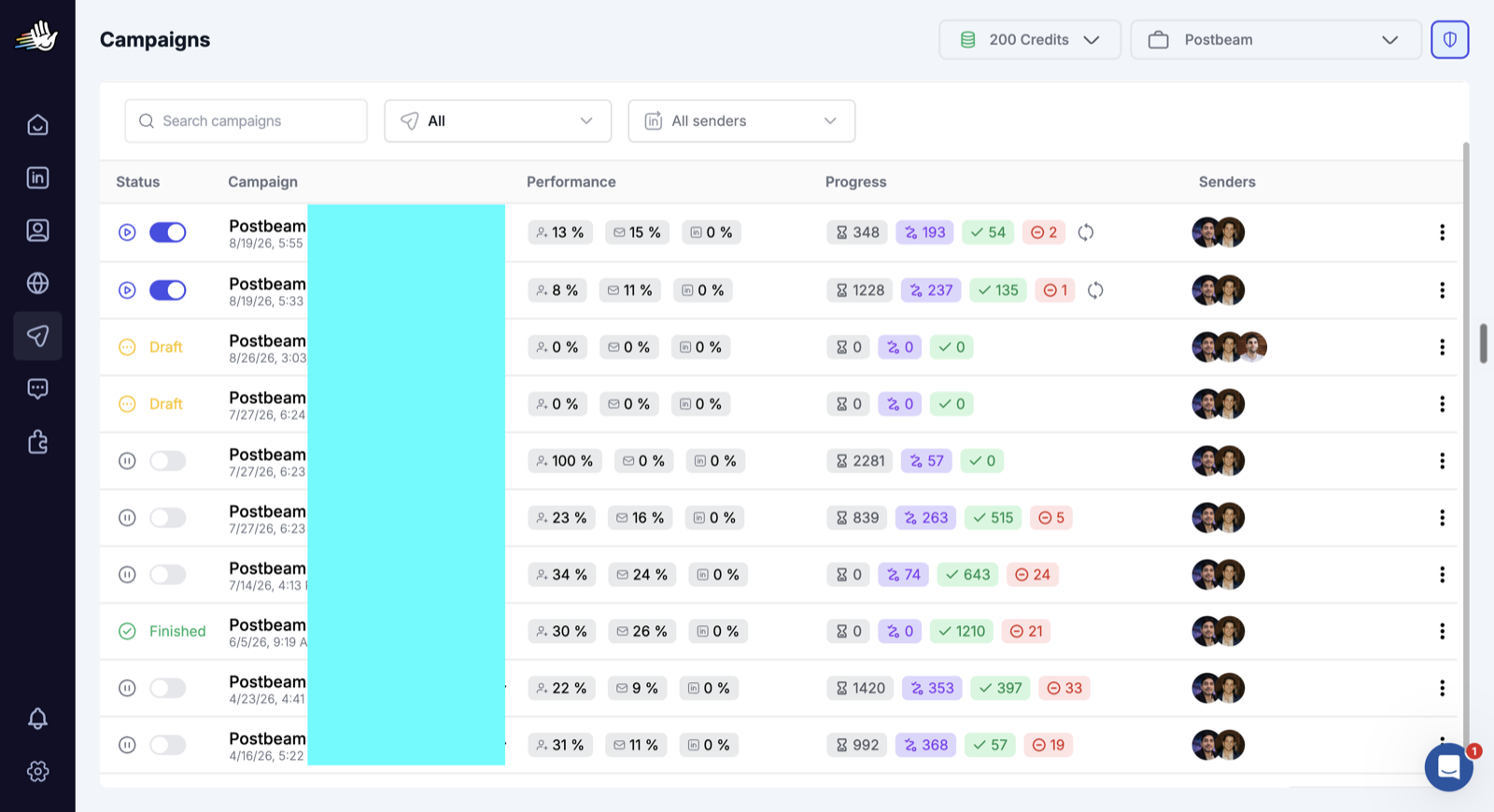
The category's cautionary tale is Artisan. They spent $2M on "Stop Hiring Humans" billboards for Ava the AI BDR, and then rolled the whole message back with a plane over the Golden Gate Bridge and a hiring post for a human BDR.


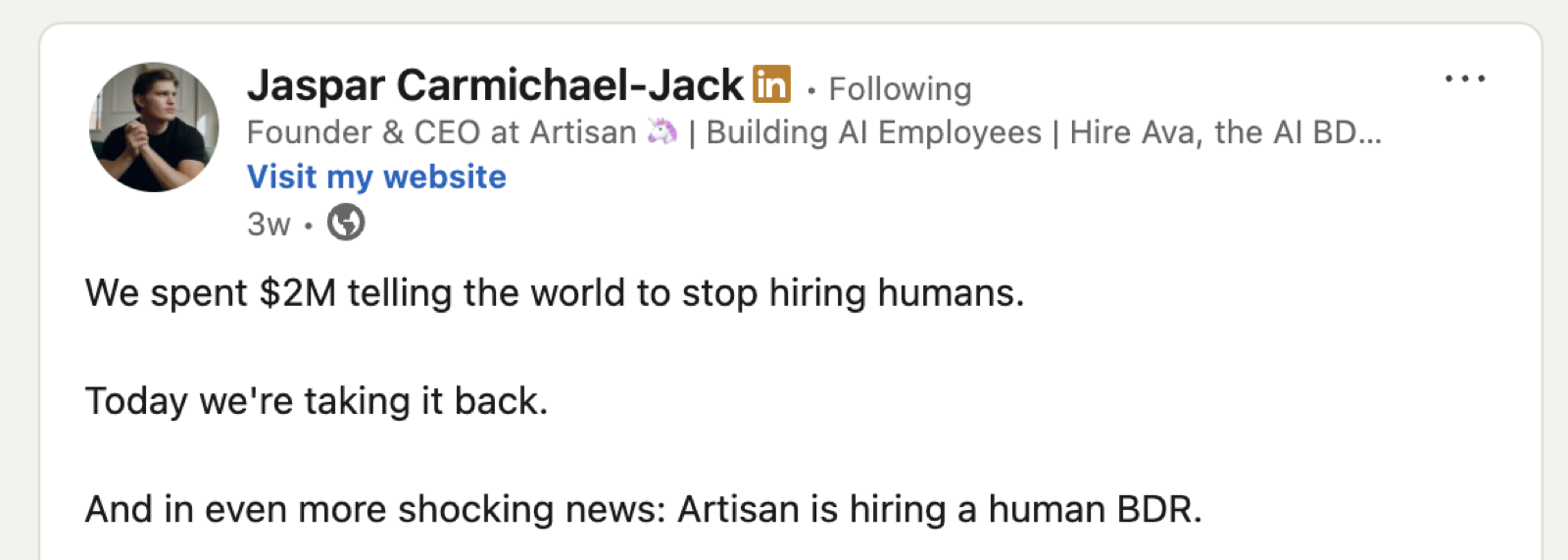
The lesson maps to everything in this post: people tolerate automation in the first touch, but they want a human nudging them, not ChatGPT emailing them. Even OpenAI reportedly walked back agents assigning work in Slack because people hated getting tasks from a bot, same text, different feeling. For the full breakdown of this category, see our 9 best LinkedIn automation tools comparison and the exact sequences in our LinkedIn lead generation playbook.
2. Content & thought leadership
Creating, publishing, repurposing, and analyzing founder and employee content: Postbeam, Taplio, AuthoredUp, Hootsuite, Buffer. Content is how you remind people you exist. Even with 100 followers - put 100 people in a room and that's a lot of people listening to you.
Our favorite proof: a friend posts shorts to five channels. His TikToks get 5 to 20 likes, and we teased him that it was a waste of time. Then he closed his biggest contract of the year, a $20K engagement that grew into a $400K annual contract. He asked the buyer how they found him: "We saw one of your TikTok videos." The video had 40 views. Reach isn't the metric. Reaching the right person is.
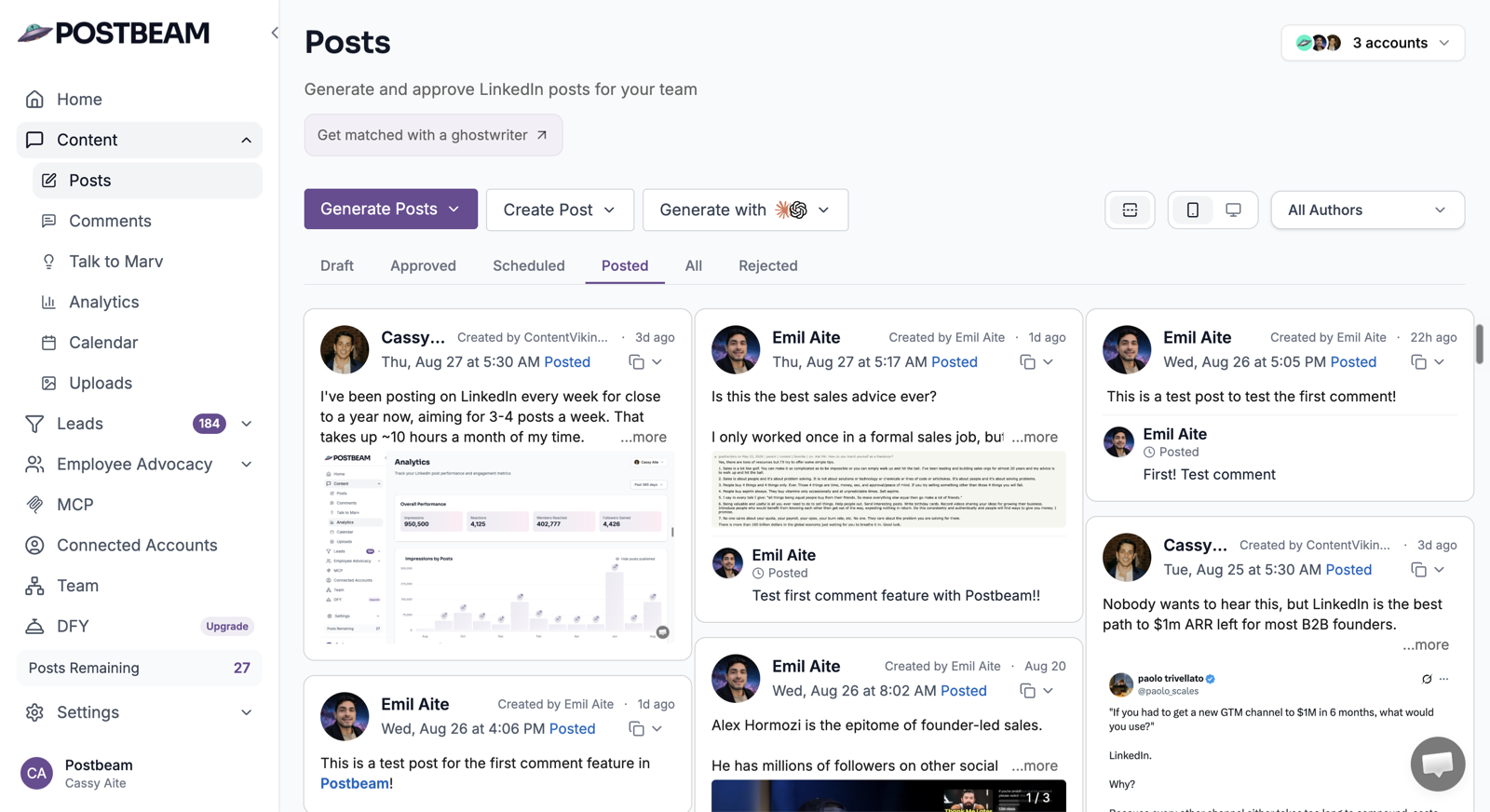
One thing the old schedulers got wrong: they were built for company pages, and company pages get roughly 70-90% less reach than personal profiles. Stop posting from your company page and start posting from your personal one. The people who will be on the sales call should be the ones visibly creating content, because when the buyer is deciding, they remember who posted and who posted nothing. That's the difference we built Postbeam's scheduling around, and if you want the category compared head-to-head, see our best LinkedIn scheduling tools and Taplio alternatives breakdowns - or, if you'd rather hand the whole thing off, our honest guide to LinkedIn marketing agencies (we compete with them, and we say so in the first paragraph).
And here's the forward-looking reason to invest: the best social seller of the next five years is probably your buyer's AI. LLMs love LinkedIn because a real name and title sit behind every post, so they can treat you as a citable expert. Watch what happened to LinkedIn citations between mid and late 2025:
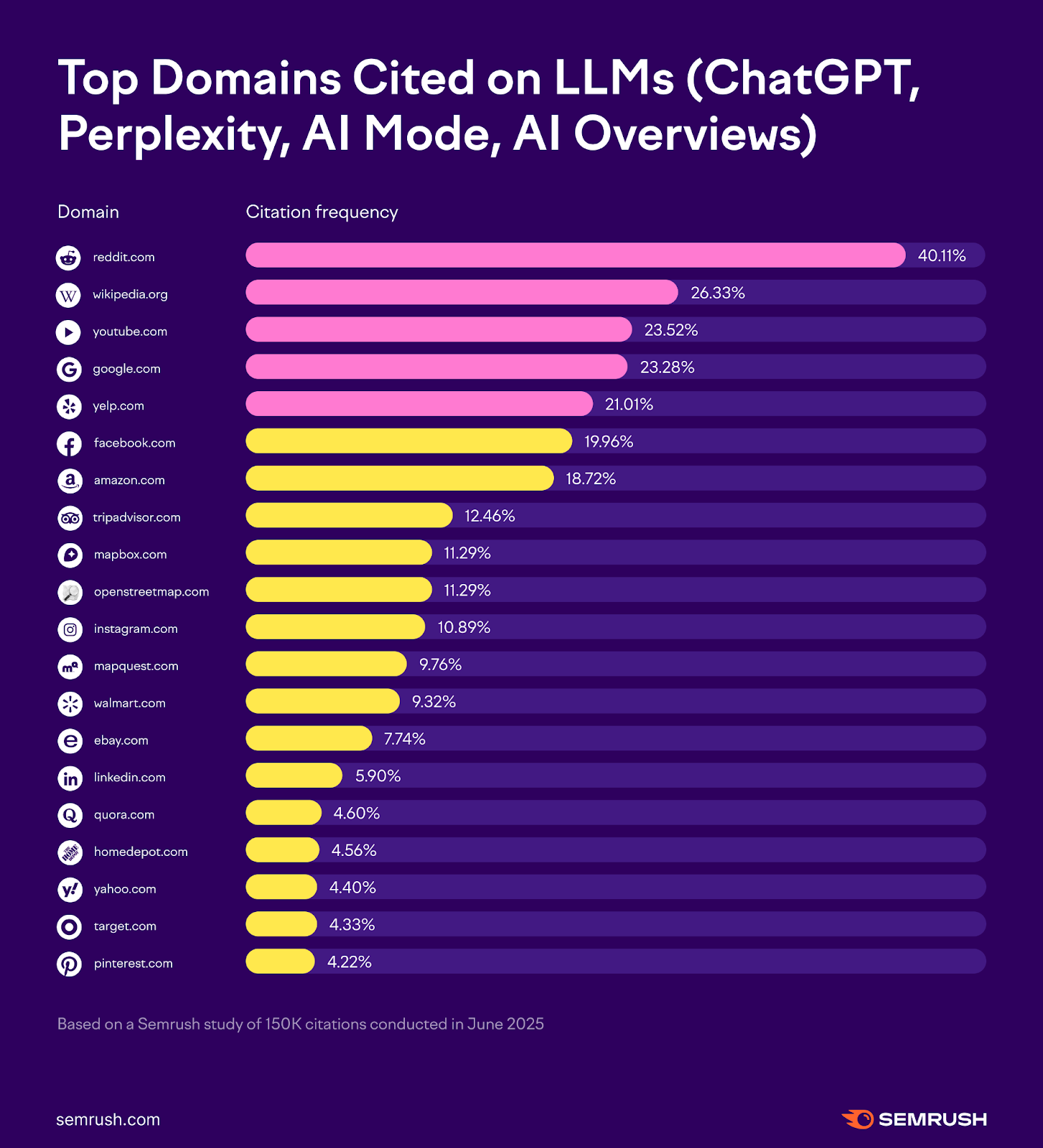
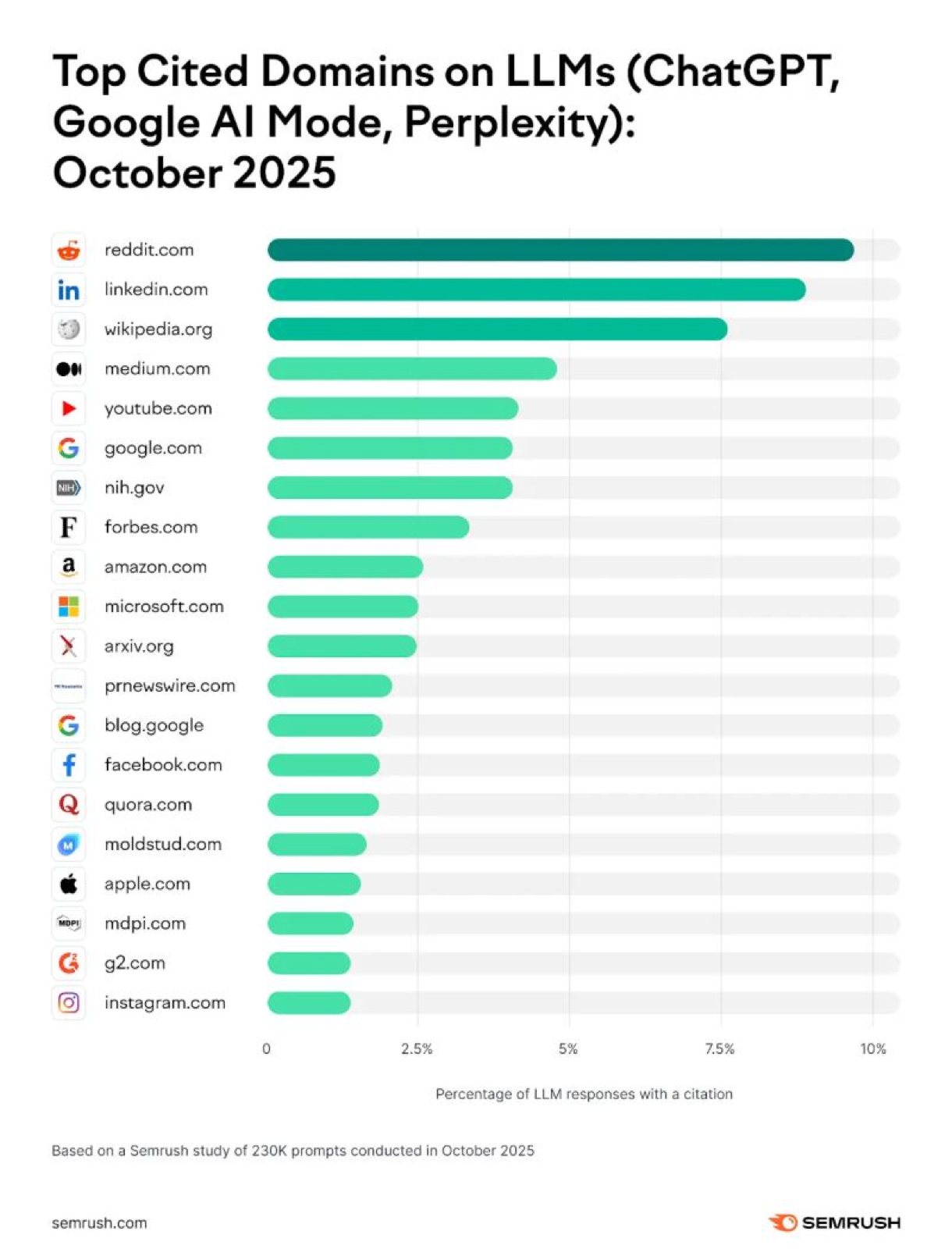
Every LLM is building a social graph of who's an authority on what. Your posts are the training data for whether the AI recommends you. (This is also why Postbeam ships a LinkedIn MCP that lets Claude and ChatGPT draft and schedule in your voice.)
3. Employee advocacy
Helping employees distribute company content and measuring the collective reach: Postbeam, DSMN8, Oktopost, EveryoneSocial, Sprout Social Advocacy. Honestly, this space is old and sleepy. The legacy players sell "approved posts for employees to reshare" to big enterprises, and reshared company-page content gets roughly 70-80% less engagement than original posts. Dinosaurs, in our opinion. (We wrote up how we'd modernize the whole motion in our employee advocacy guide and compared the vendors in the best employee advocacy tools.)
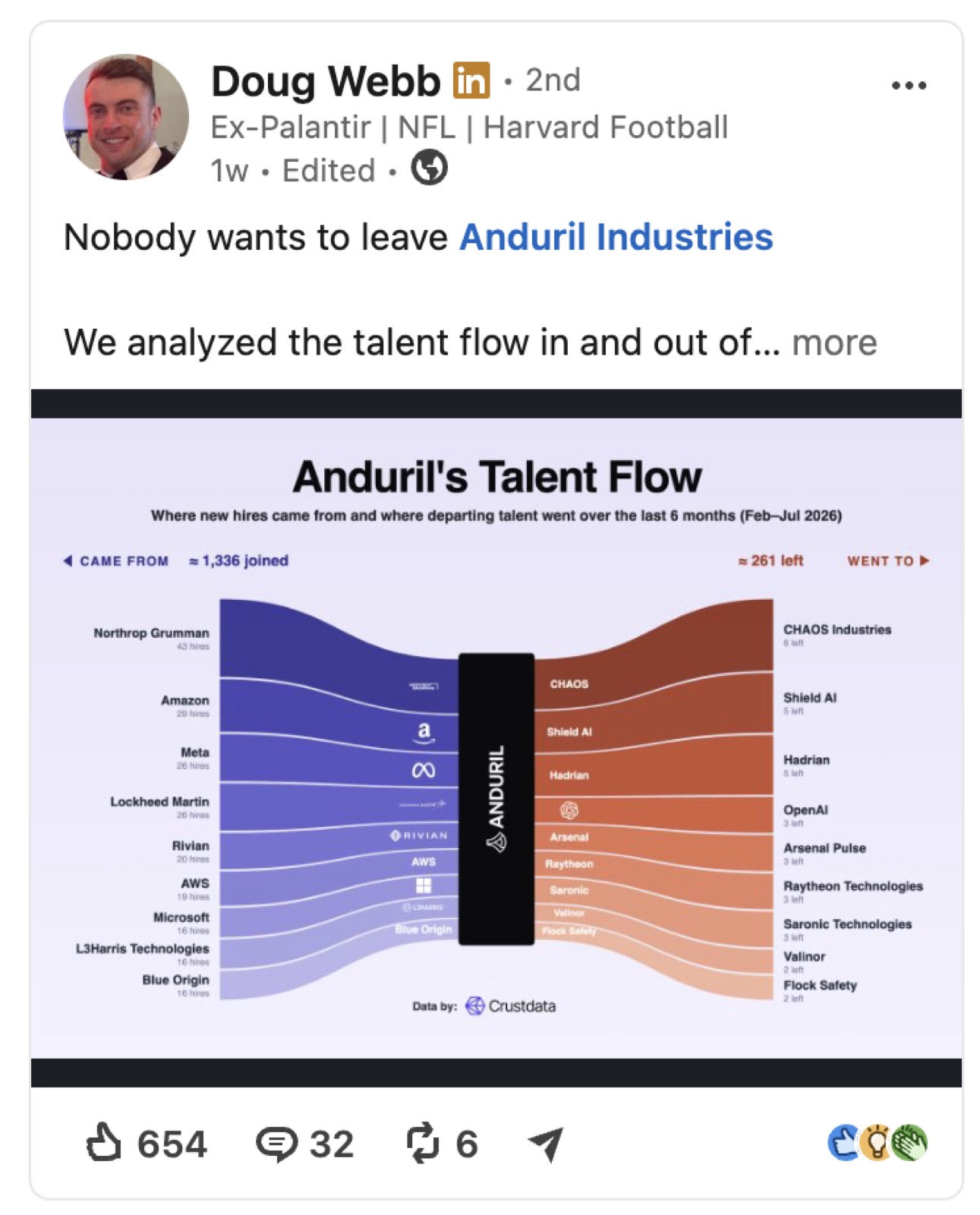
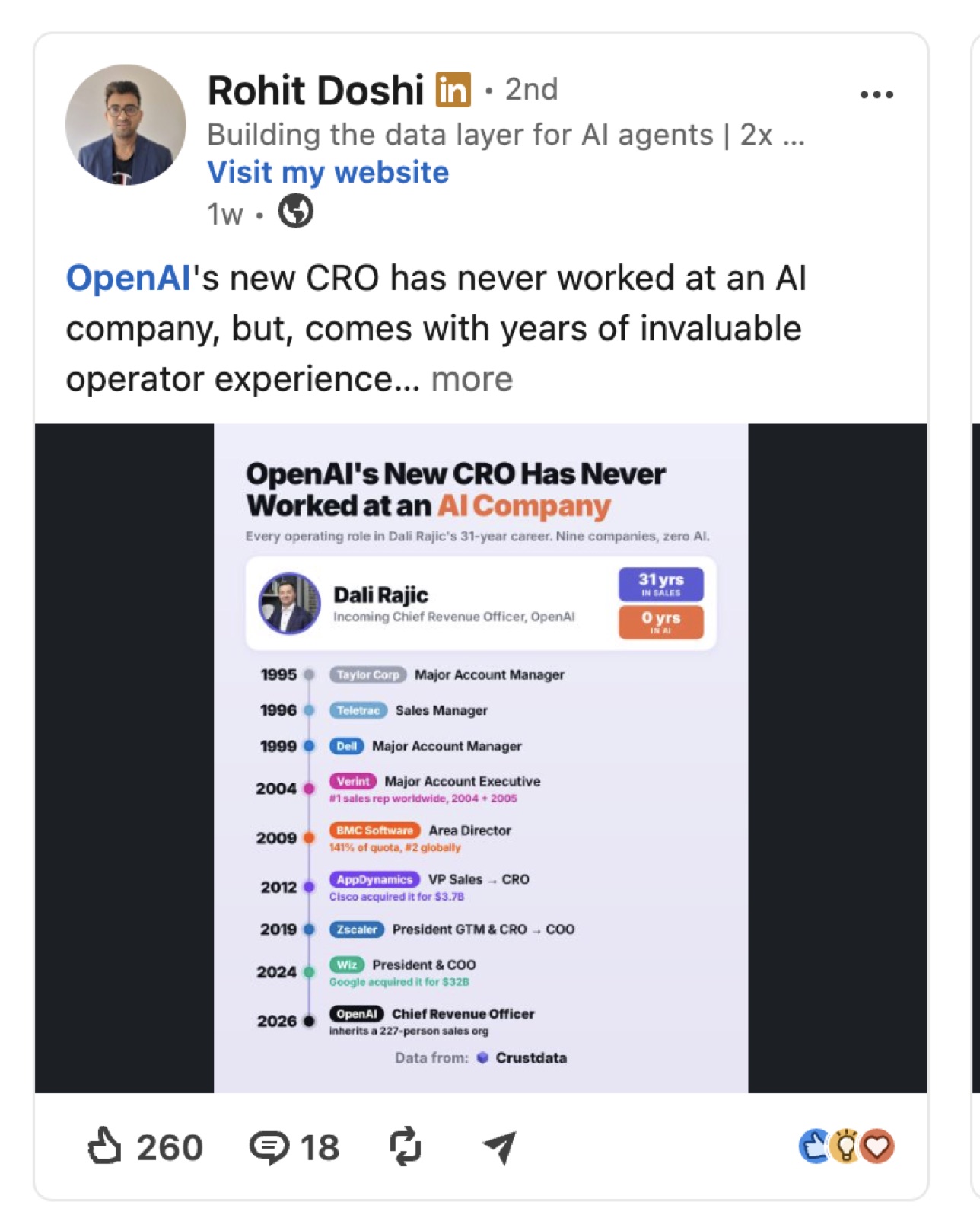
What actually works is leadership going first. Drift is the classic case: David Cancel, Dave Gerhardt, and Guillaume Cabane became quasi-celebrities in tech, and because leadership led by example, everyone else at Drift created content too. The modern version of that playbook is giving employees something genuinely interesting to share. Crustdata does this brilliantly with data infographics; you'll see their whole team posting charts like these, and the engagement follows:
Postbeam's employee advocacy add-on takes the same side of that argument: instead of pushing approved reposts, it shows a leaderboard of who actually engages, notifies the team in Slack when anyone posts, and proves ROI, at a flat $349/month per company instead of enterprise-only pricing.
4. Social listening & buyer intent
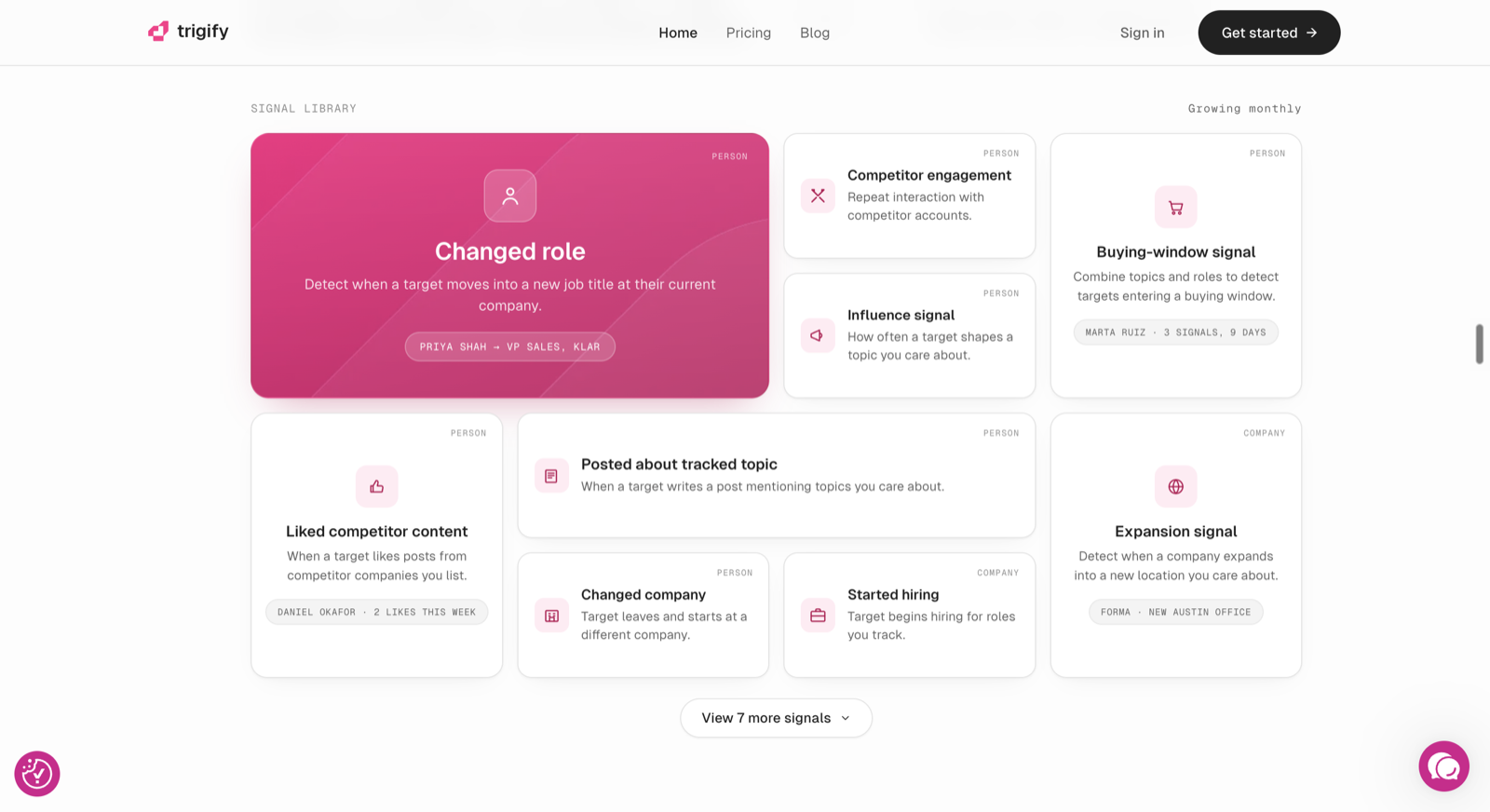
Identifying relevant conversations, keyword mentions, job changes, and other buying signals: Common Room, Trigify, Gojiberry, Brand24, Mention, Syften. This category has been growing like crazy, because the game is catching people inside their buying window: a job change (the most reliable one we've seen), a funding round, a job posting, a frustrated post about a competitor.
The masterclass here is Tyler Denk at Beehiiv. They run keyword alerts into a Slack channel (they call it the Pump channel), and whenever someone mentions newsletters or Substack anywhere, Tyler shows up in the comments. A CEO of a $50M+ company, personally battling for a single lead in a comment thread, in lowercase, with jokes. You can tell it's really him, and that's exactly why it works.
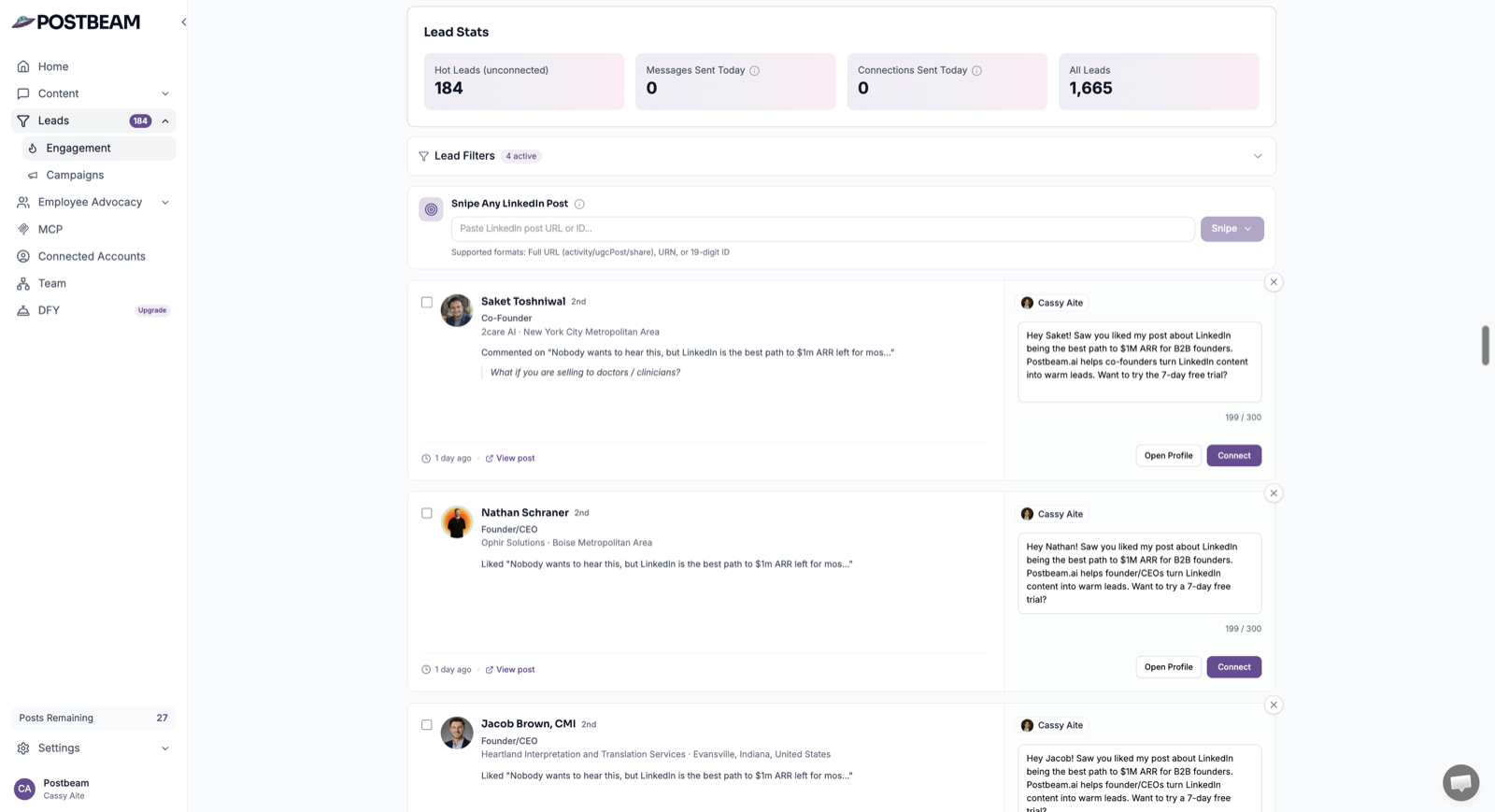
The anti-pattern is the same signal piped into AI slop: mention SEO or AEO on LinkedIn right now and watch a dozen obviously-generated agency comments appear. Signals are the easy part; a human response is the strategy. Postbeam sits in this category too, with a specific angle: the highest-intent signal we know is someone in your ICP just engaged with your post, and we turn that into a ranked warm-lead list automatically.
5. Engagement & relationship building
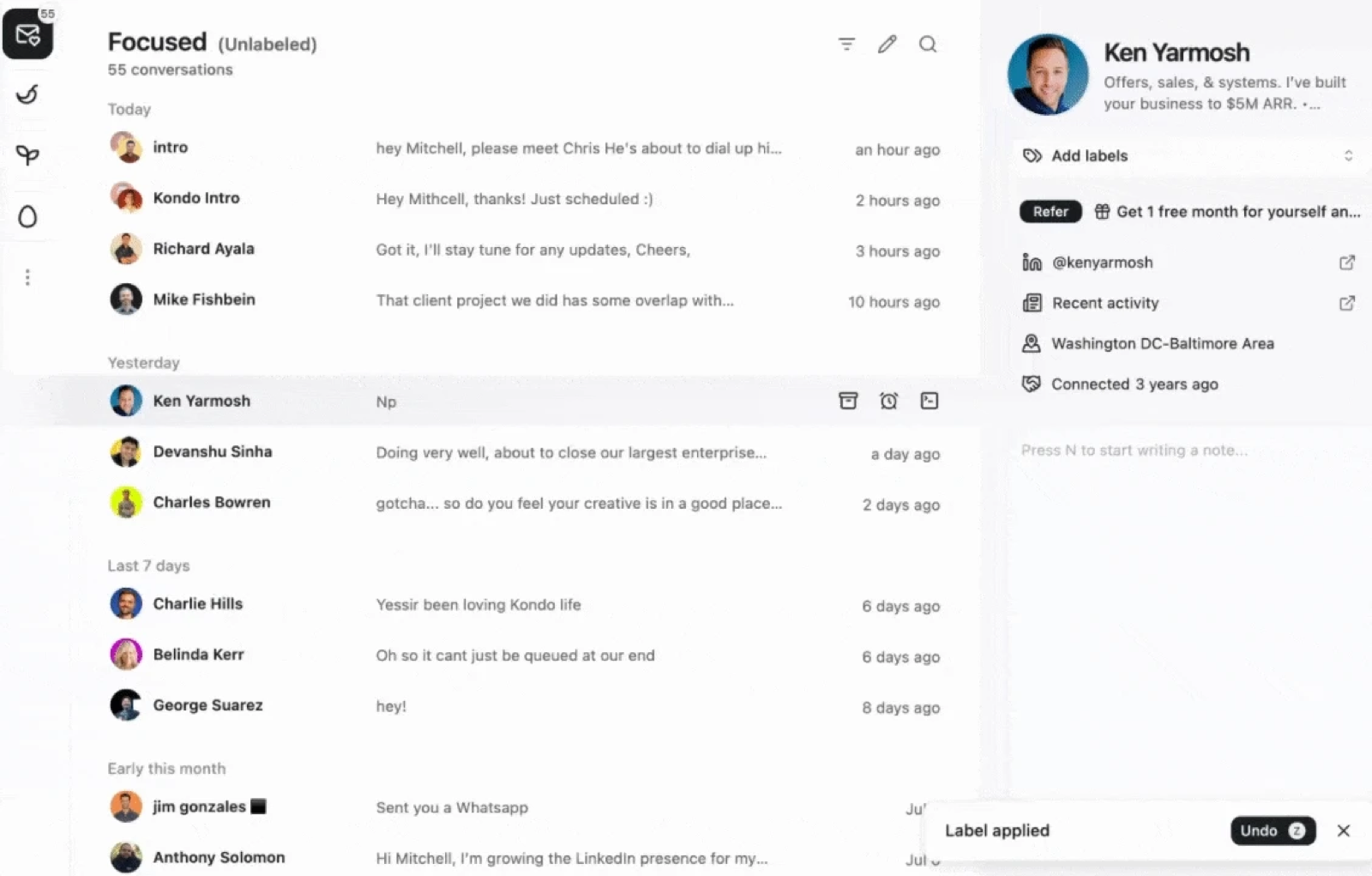
Tools that help sellers comment, stay visible, and organize relationships before any pitch: Kondo (think CRM for your LinkedIn DMs) and Go Extrovert (automated commenting). Niche tools, honest ideas, and one big caveat.
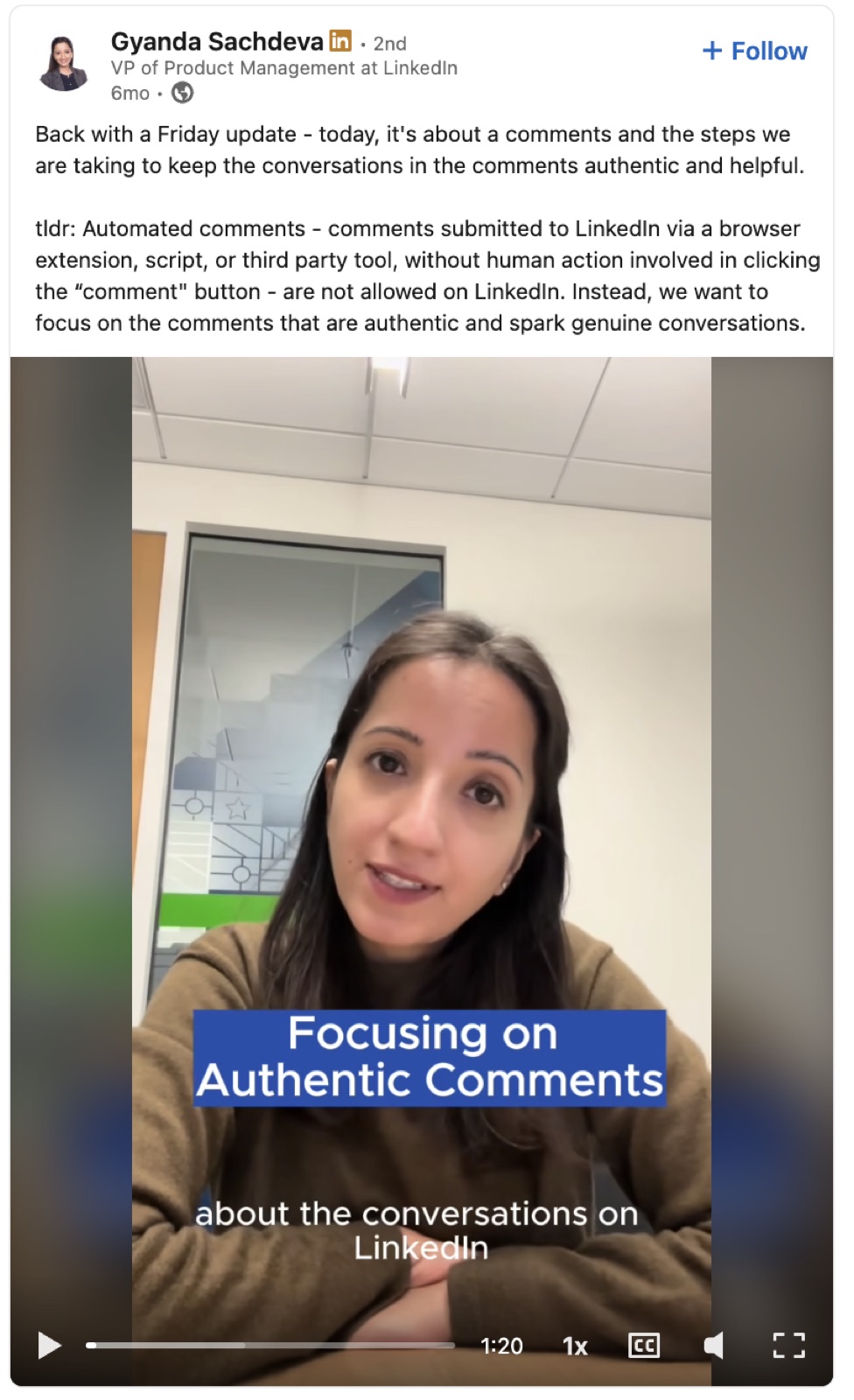
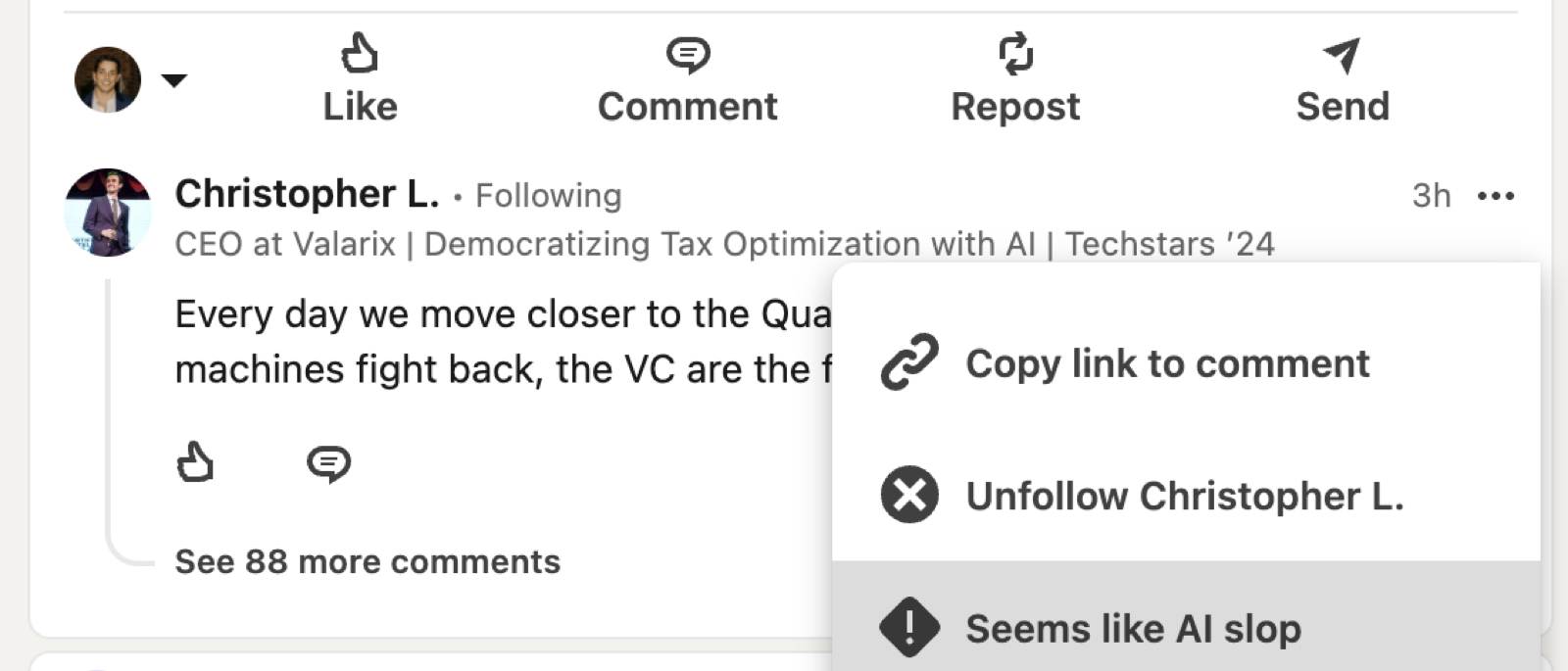
The caveat: everyone we know who tried automated commenting quietly stopped within three months. The AI never quite sounds like you, and slop comments have the opposite of the intended effect. LinkedIn is now actively hostile to them: automated comments are explicitly not allowed, and users can literally report a comment as "Seems like AI slop."
Where the relationship-building layer does pay off is after the fact: once someone real replies, nothing about that conversation should be automated. It's too high-value. Use tooling to organize the follow-up, not to write it.
6. Conversational inbound & conversion
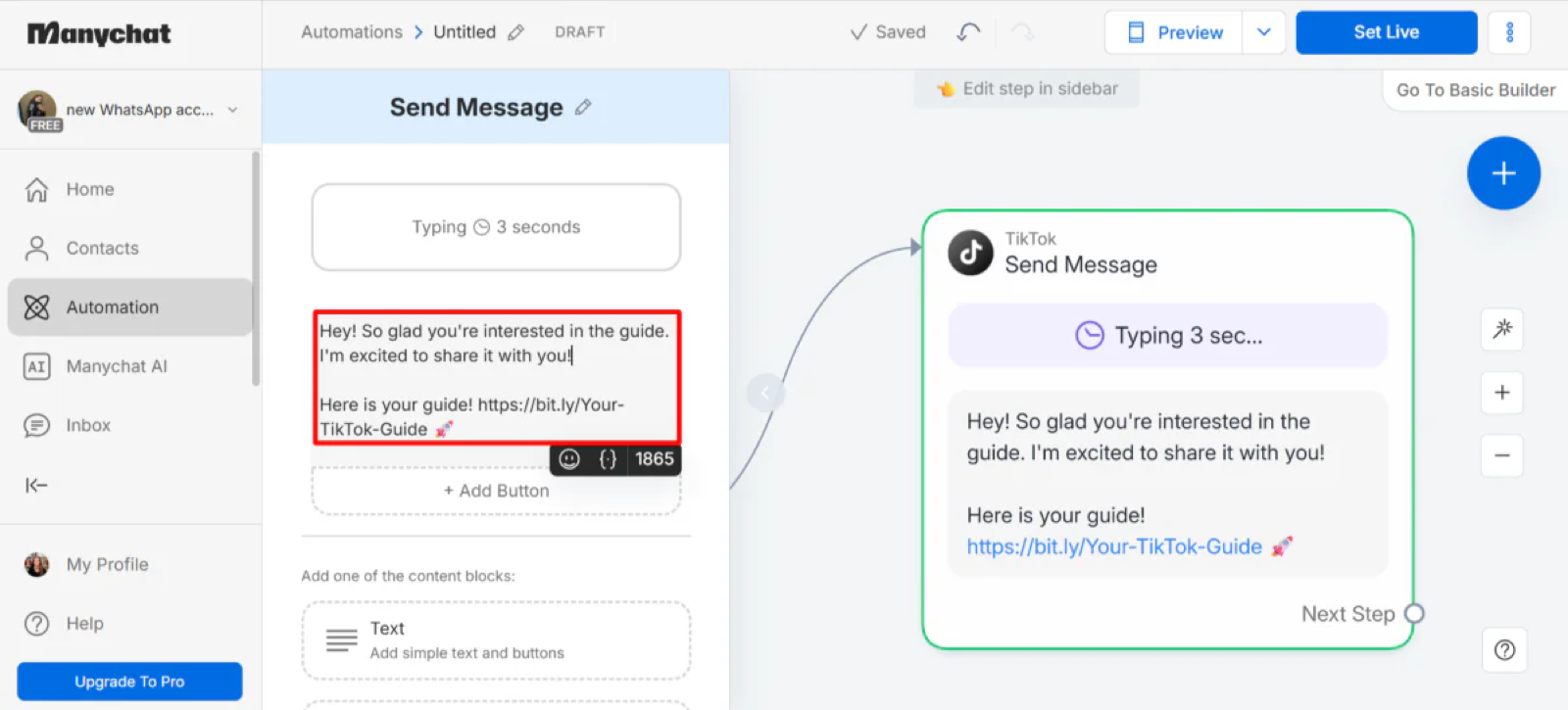
Turning comments, DMs, and audience engagement into captured leads and automated follow-up: ManyChat (the OG - arguably the first social selling tool ever), Respond.io, and SleekFlow. The canonical move: "comment GUIDE and I'll DM it to you," and the tool auto-sends the link and starts a conversation.
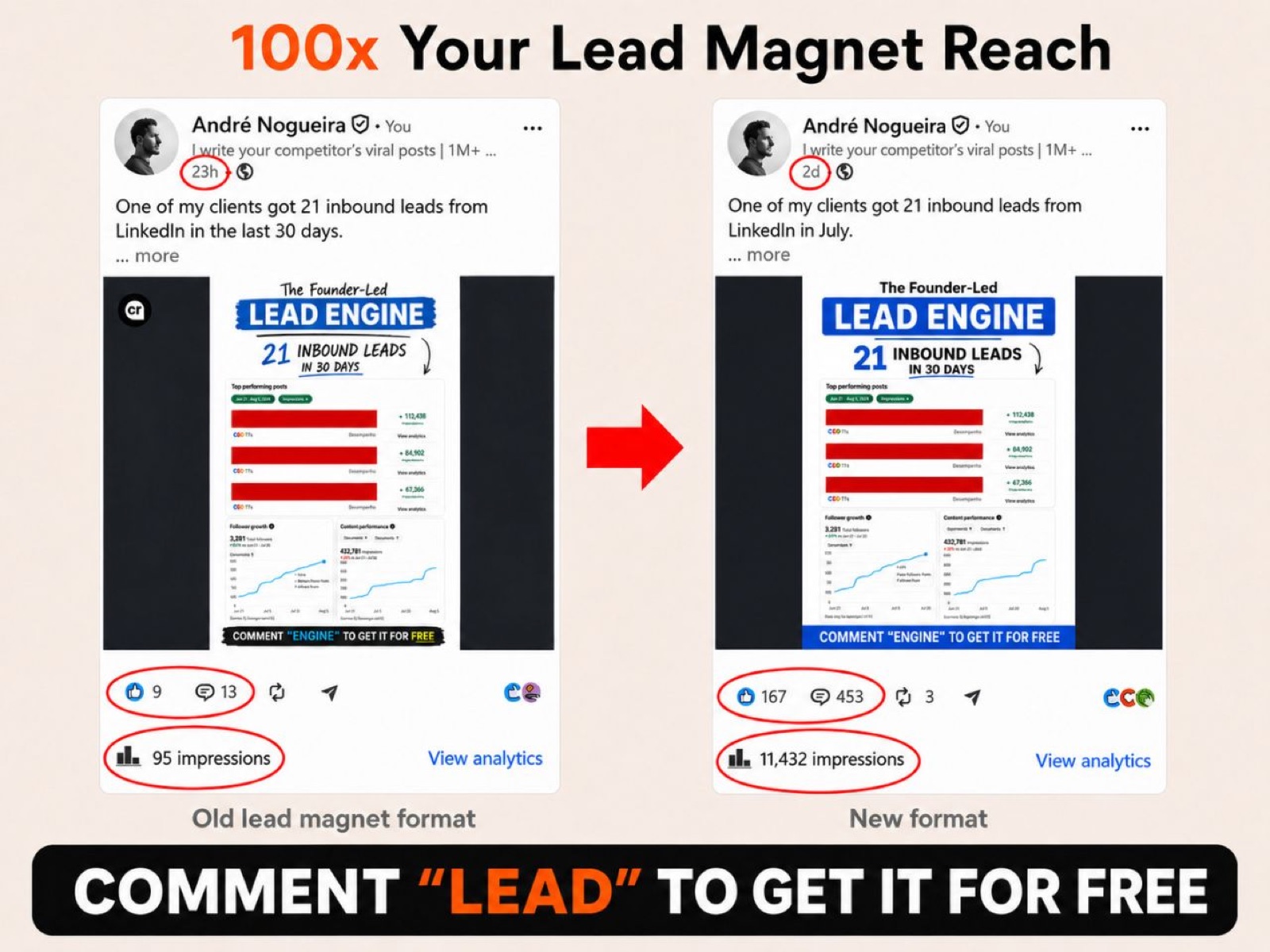
On LinkedIn this became the dominant growth hack of 2025: Gojiberry rode "comment Claude and we'll send the guide" posts from roughly $50K to $300K MRR, running the play across every employee account until one post a week hit the lottery. LinkedIn has since turned the algorithm against lead-magnet bait, and you see far less of it now. It still works in moderation, but treat it as a spice, not the meal.
7. UGC, influencer & affiliate selling
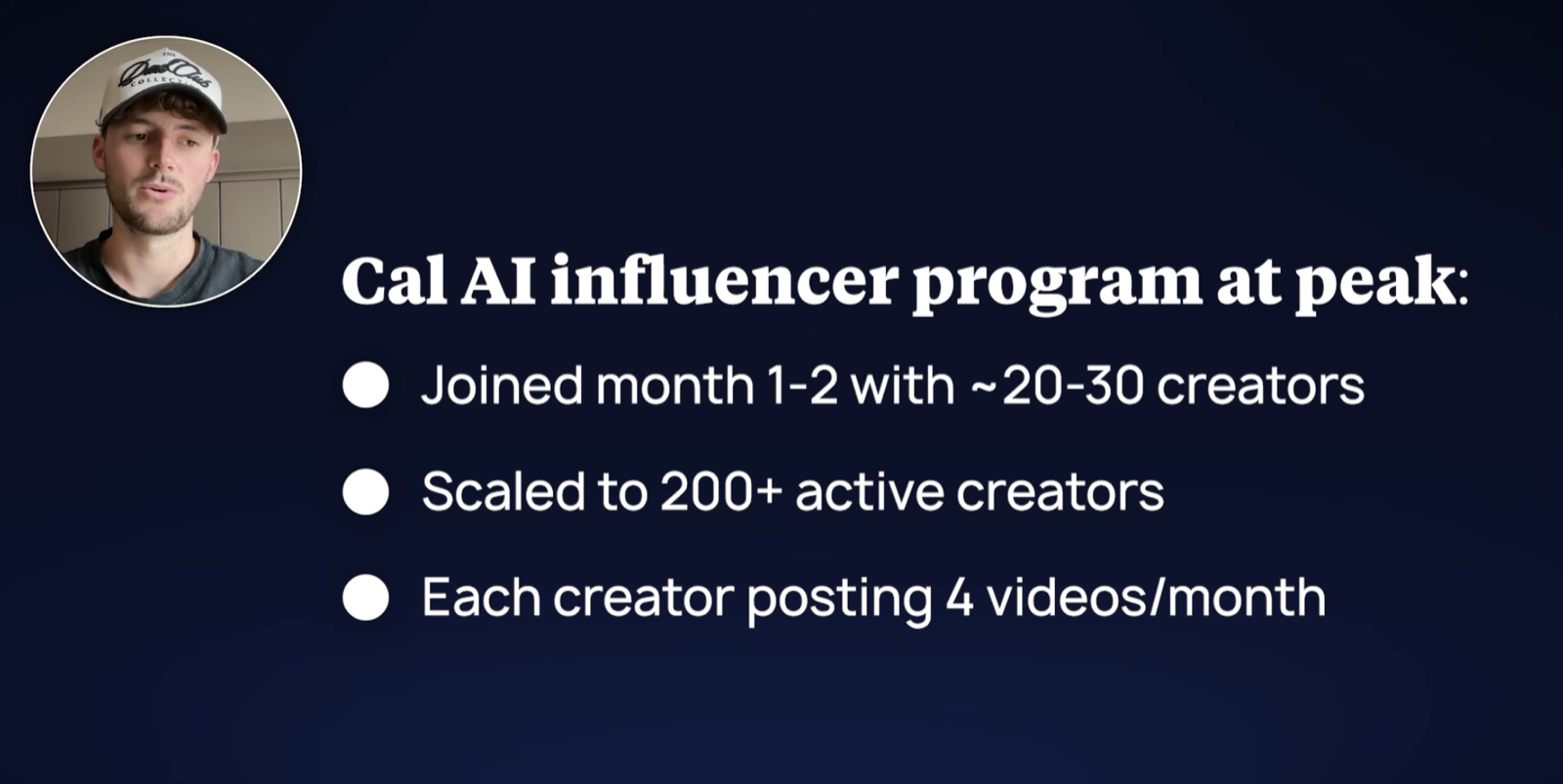
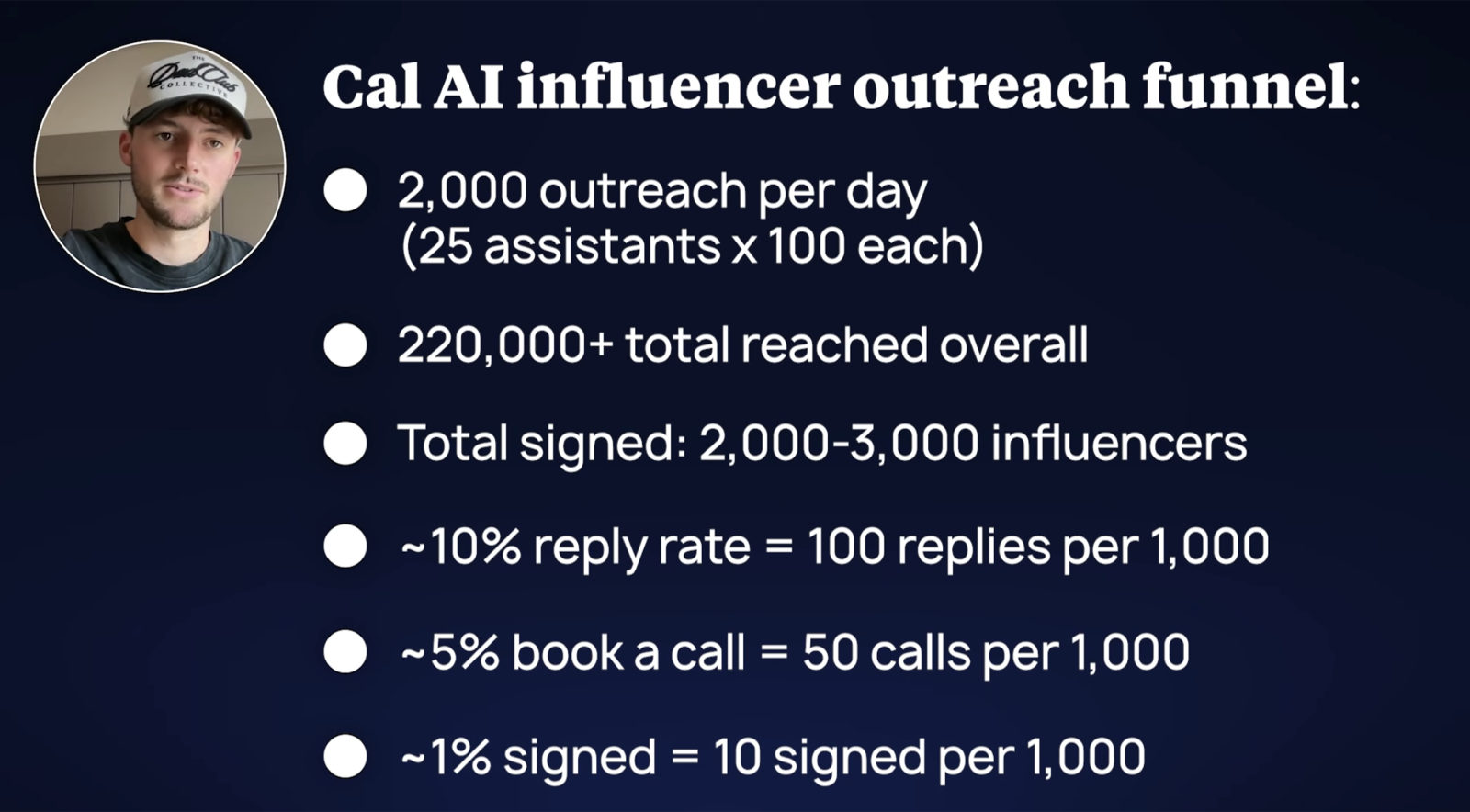
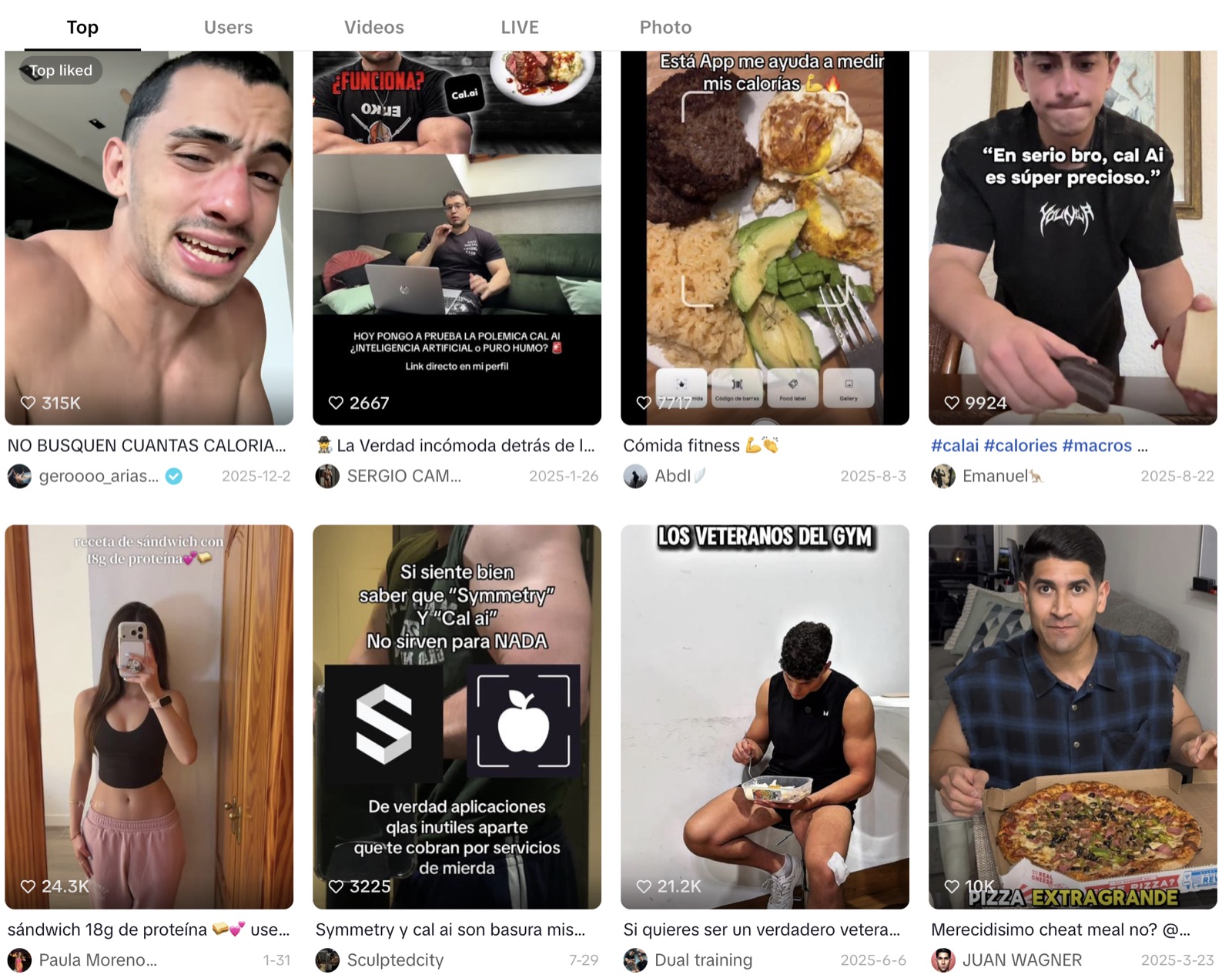
Finding creators, managing campaigns, tracking referrals, and turning creator audiences into sales: Grin, CreatorIQ, Aspire, Impact, Passionfroot (fresh off a $15M Series A led by Insight Partners), Naano for B2B, and AI-UGC tools like ReelFarm plus warmed-account marketplaces. This has been the B2C playbook for a decade; Cal AI made it famous by scaling to 200+ active creators posting four videos a month:
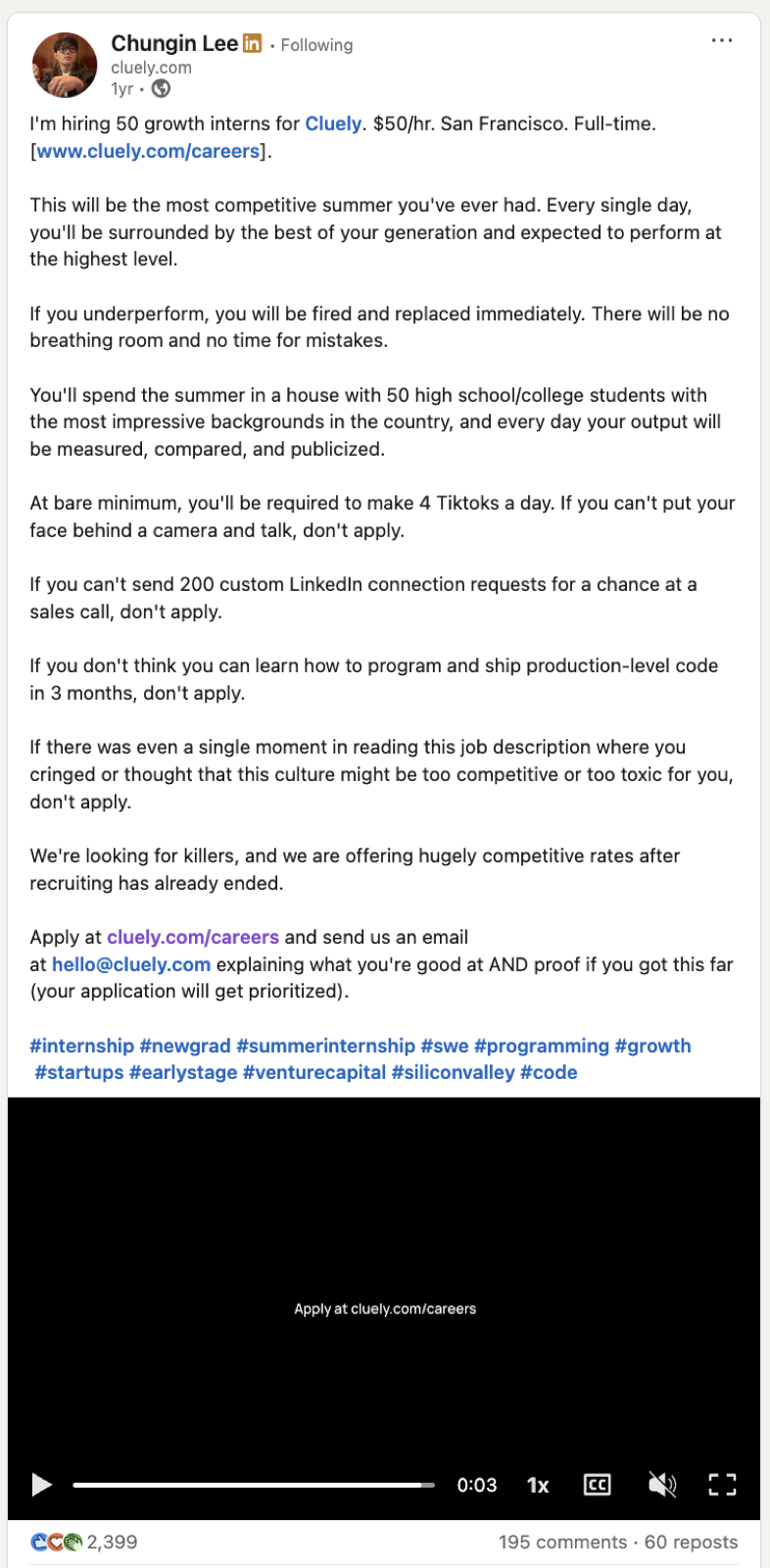
In B2B, the honest report is mixed. Cluely went hardest - a creator program, growth interns required to ship four TikToks a day - and generated billions of impressions that never converted the way Cal AI's do. B2B buying needs more trust than a reaction skit can carry.
We ran the experiment ourselves: bought a warmed TikTok account, generated ~50 AI-UGC posts with an AI-UGC tool, and shipped one a day.
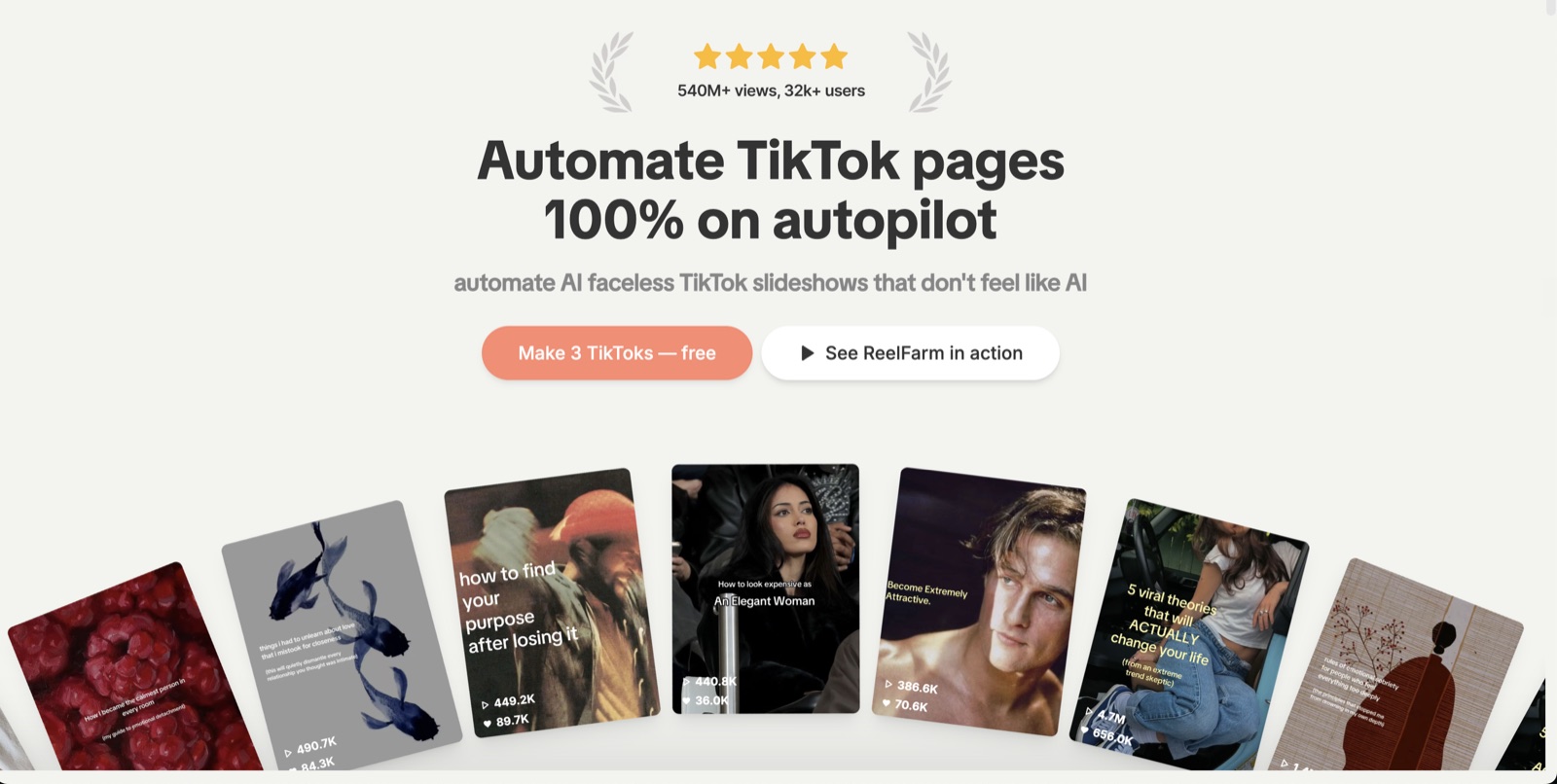
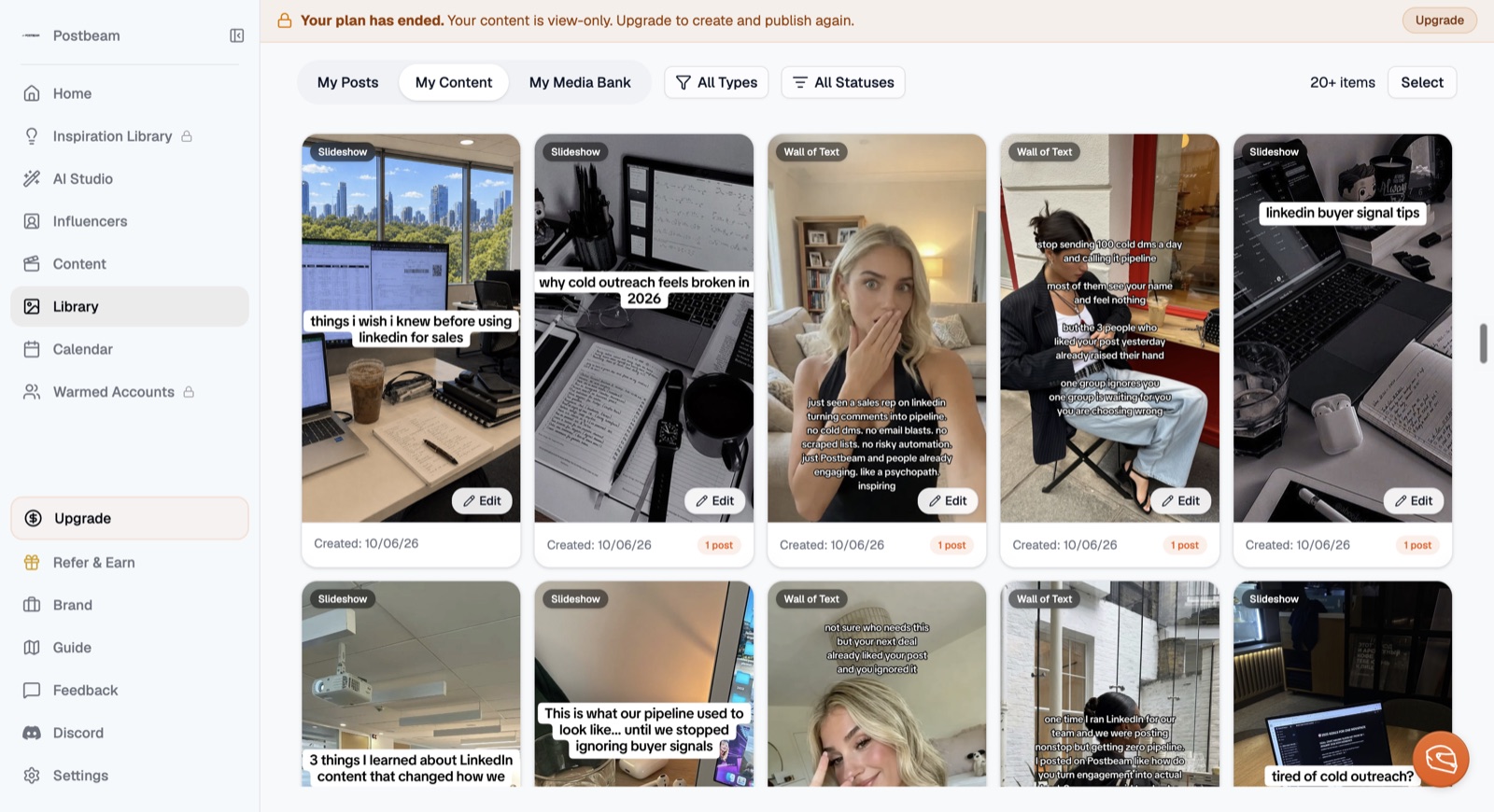
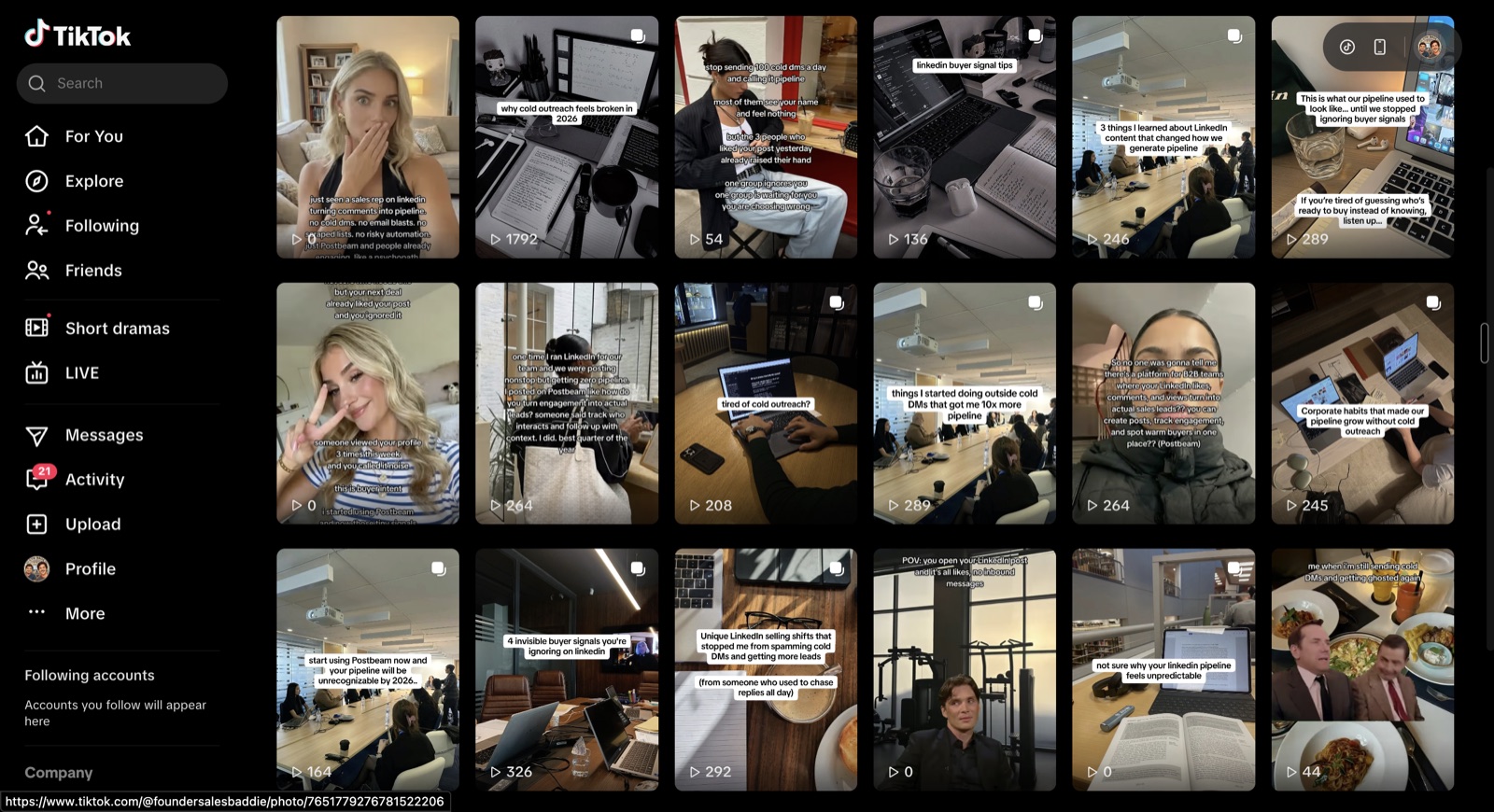
Verdict: if you're B2C or e-commerce with a fast buying decision, this category can be rocket fuel. In B2B, attribution is tough and it's easy to be a flash in the pan; treat it as brand budget with a long fuse, not a pipeline machine.
8. Social commerce & live selling
Selling directly through social platforms with storefronts, live shopping, and shoppable content: Whatnot, TikTok Shop, Instagram Shopping, Shopify Collabs. Whatnot is quietly enormous - it's QVC reborn as a live stream, product after product with a countdown timer, exactly like live shopping in China.
Two friends of ours prove the model at small scale. One, a teacher-turned-TikToker with 100K followers, monetizes through live thrifted-clothing sales and crushes it. The other, Adam of Rubble Rock and Gem, sells gemstones on Instagram Live and is planning a studio in his retail shop so other influencers can sell his inventory to their audiences for a cut:

B2B hasn't caught up here yet, which makes it the one category where the tools list is still short. The closest thing we've seen: BridgeMind live-streaming himself vibe coding on X every day on the way to $1M ARR, selling his own dev tools to the audience watching him build - basically approaching $200K ARR on stream.
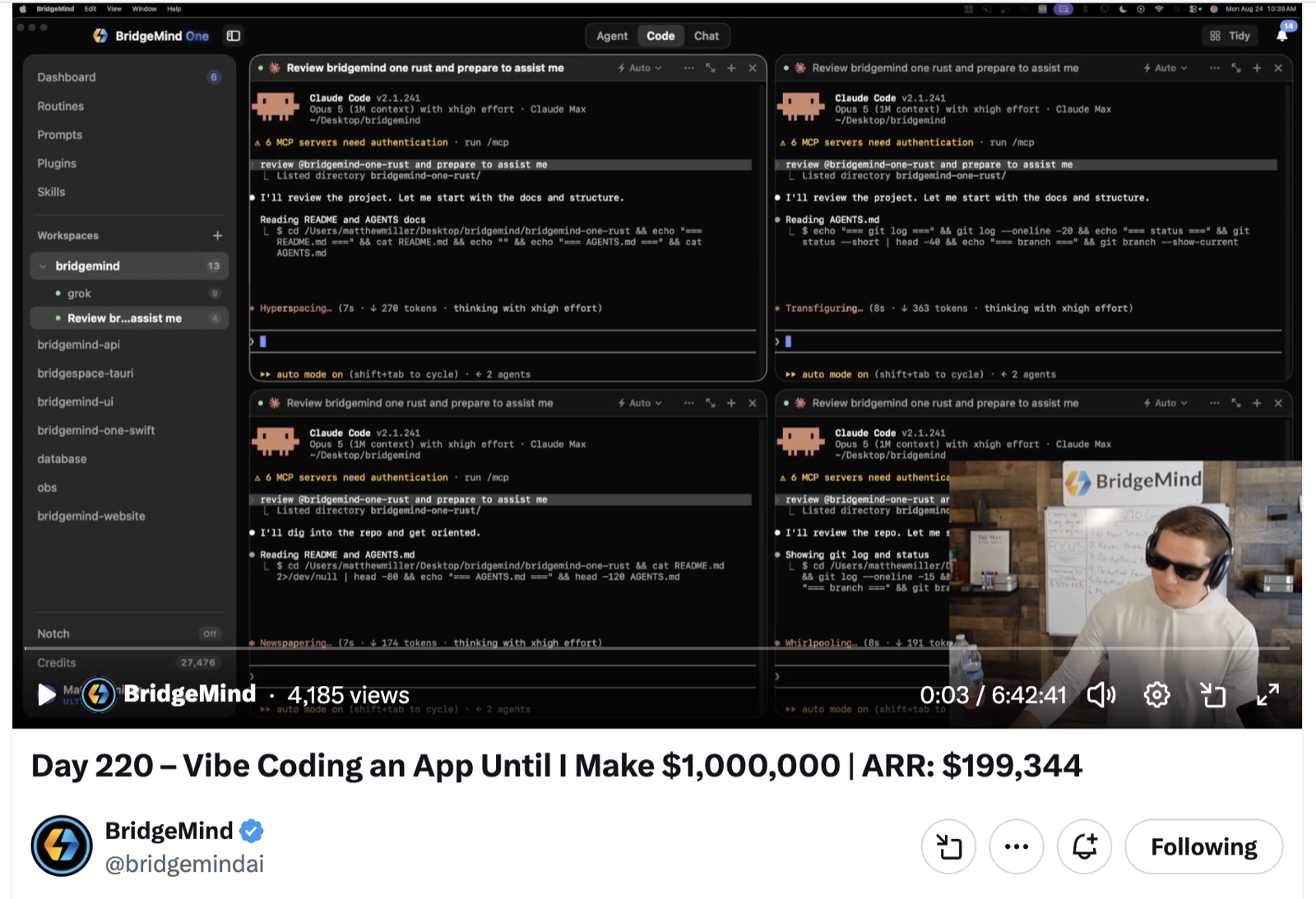
Our bet: an AppSumo-style live software sale with real-time comments is a matter of time. If you've seen someone doing B2B live selling well, we genuinely want to hear about it.
9. Attribution & revenue intelligence
Connecting social activity to pipeline, meetings, and revenue: Postbeam, HockeyStack, Dreamdata, Factors.ai, DataFast, and the free one everyone should have, Google Search Console - plus our free earned media value calculator for pricing the reach itself. Social attribution is notoriously hard - someone sees your post, Googles you a week later, and shows up as "direct traffic."
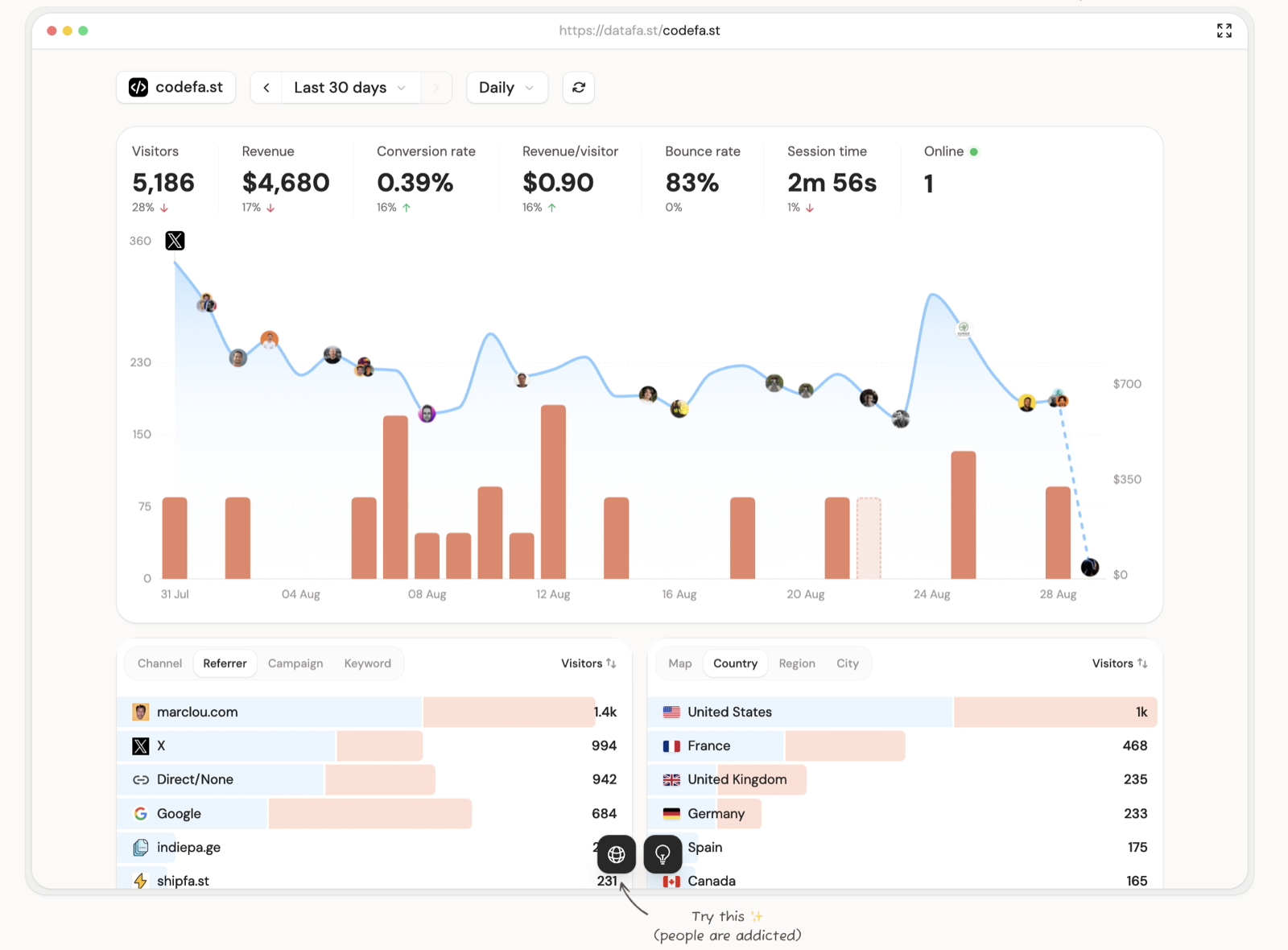
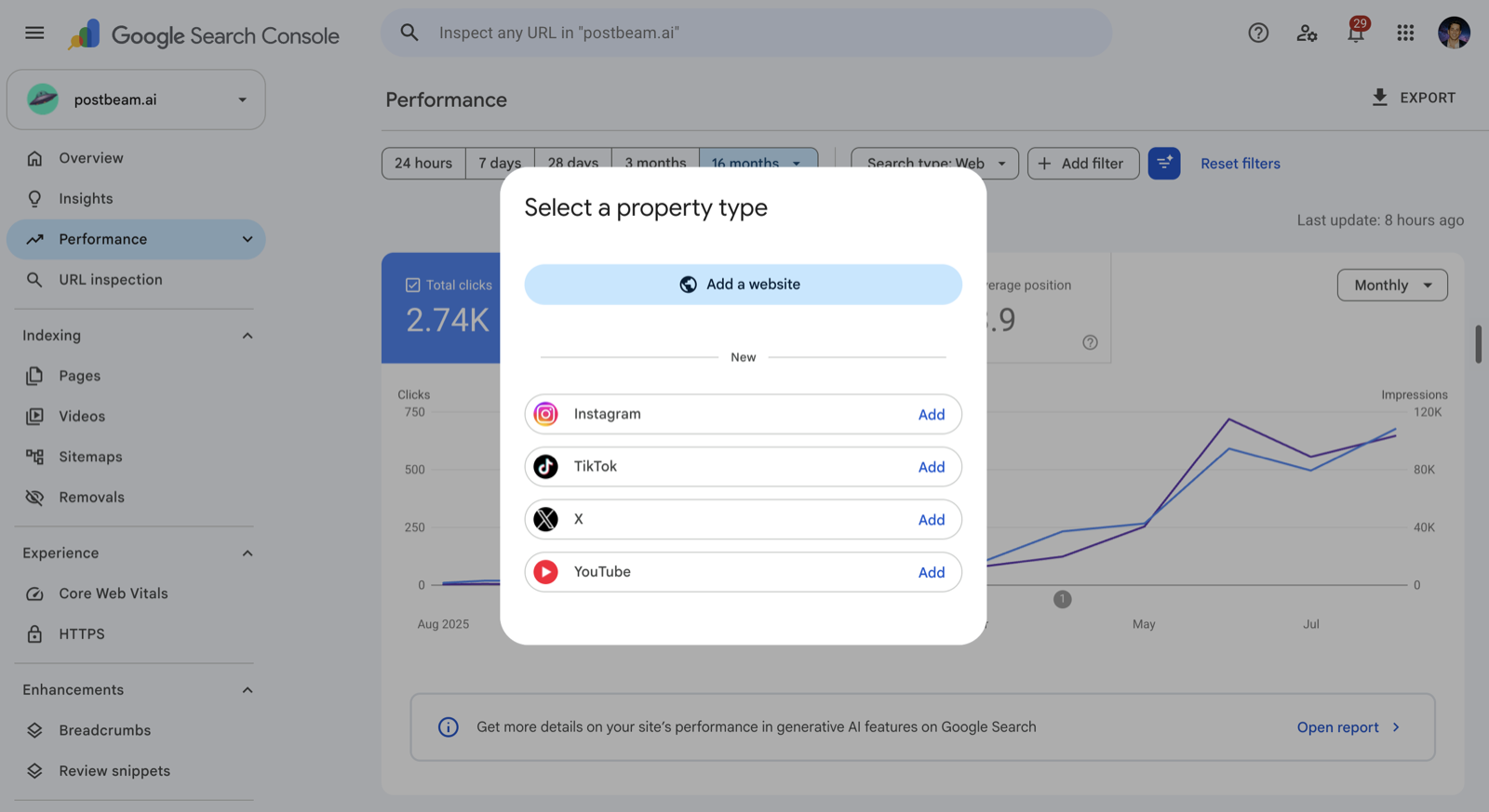
And quietly, Google Search Console started letting you connect YouTube, Instagram, TikTok, and X properties to attribute social-to-search journeys. It's early (we connected our YouTube and found it thin), but the direction is obvious: buyers now have a 20-minute conversation with Gemini or ChatGPT before they ever type your name.
(And if the search side of your funnel needs the same rigor, our B2B SEO strategy playbook covers the per-post ROI math end to end.)
How to pick your stack (especially on $0)
Almost every tool above has a free trial, so the question is sequencing, and it starts with your business model, not the tools:
- Connect Google Search Console first. It's free and it tells you what Google already considers you an authority on. That's your starting position.
- Work backwards from your economics. B2C app with impulse purchases? The UGC playbook is written; go pay creators. B2B with a long sales cycle and real ACV? Start with content plus social listening plus intent-based outreach - trust-building channels - before anything spray and pray.
- Before any tool: create content and DM people. Both cost only time. Send a thousand thoughtful messages, watch the conversion rate, tweak the ICP and the offer, and let those conversations tell you which category of tooling to buy first.
- Let an LLM sanity-check the list. Paste your business context plus this post into Claude or ChatGPT and ask which categories would move your numbers. It's genuinely good at this now.
And if the answer is LinkedIn (for most B2B teams it is), that's the exact loop Postbeam was built to run: content in your voice, engagement turned into ICP-matched warm leads, and follow-up while the intent is hot.
Frequently asked questions
What are social selling tools?
Social selling tools are software that helps you turn social media activity into revenue: finding prospects, creating content that builds trust, listening for buying signals, engaging with the right people, and attributing the pipeline that comes out of it. They break down into nine categories - prospecting and outbound, content and thought leadership, employee advocacy, social listening and buyer intent, engagement and relationship building, conversational inbound, UGC and influencer marketing, social commerce, and attribution.
What is the best social selling tool for LinkedIn?
It depends on the job. For turning your own LinkedIn content into warm leads, Postbeam is built exactly for that: it shows who liked and commented on your posts, filters them by ICP, and drafts personalized follow-ups. For high-volume cold outreach, HeyReach or Expandi. For social listening and intent signals, Trigify or Common Room. Most B2B teams end up combining a content tool, a listening tool, and an outbound tool.
What is the LinkedIn Social Selling Index (SSI)?
LinkedIn's own 0-100 score of how well you sell on the platform, based on four components: establishing your professional brand, finding the right people, engaging with insights, and building relationships. LinkedIn reports that social selling leaders create 45% more opportunities than peers with lower SSI scores. You can check yours for free at linkedin.com/sales/ssi.
Do automated LinkedIn comment tools work?
Mostly no, and the risk is rising. LinkedIn has said automated comments submitted via browser extensions, scripts, or third-party tools are not allowed, and users can now report comments as AI slop. In our experience roughly half the comments on popular posts are obvious AI, and they hurt the author's credibility. The strategy that works is human comments triggered by social listening: get notified when your keyword is mentioned, then reply yourself, the way Beehiiv's CEO does.
How do I measure social selling ROI?
Work backwards from your ACV and conversion rates. Track who engages with your content and whether they match your ICP (Postbeam does this natively), overlay revenue against social mentions (DataFast popularized this for Stripe revenue), and connect your social profiles to Google Search Console to see which queries and platforms send traffic. For multi-channel B2B attribution, HockeyStack and Dreamdata are the common picks.
Which social selling tools should I start with on a zero budget?
Start with Google Search Console (free) to see what Google already thinks you're an authority on. Then just create content consistently - that only costs time - and have as many one-on-one conversations as possible. Almost every tool in this list has a free trial, so test one category at a time and keep what pays for itself.
Turn your LinkedIn into a social selling engine
Postbeam covers four of the nine categories in one tool: content and thought leadership, employee advocacy, engagement signals, and attribution - the loop from post to warm lead to pipeline.
Start your 7-day free trialSetup takes under 5 minutes. Most teams see warm leads before the trial ends.