

You're here because you've heard the term “social selling” buzzing around, and you want to grow your business faster without burning $10,000's on ads.
Social selling isn't about quick hacks or magic buttons. It's about changing the way you think about sales and playing the long game. (Once you have the fundamentals down, our roundup of the 40+ best social selling tools covers the software side, all nine categories of it.)
What Exactly is Social Selling? It's More Than Just Posting on LinkedIn
At its heart, social selling is the art of leveraging social media platforms (like LinkedIn) to connect with prospects, build rapport, establish credibility, and ultimately, close more deals. It's about using your social presence as a strategic sales tool, not just a place to broadcast announcements.
Imagine walking into a networking event. You don't immediately thrust your business card into someone's hand and launch into a sales pitch. Instead, you listen, you engage in genuine conversations, you offer helpful insights, and you build relationships. Social selling is that same dynamic, just scaled and happening online.
A good rule of thumb: try to give more than you receive. Ask yourself “what can I do to help this person?” That mindset is the foundation of effective social selling.
6 Examples of Social Selling Experts Who Made Millions
Gary Vaynerchuk (B2C and B2B)
- ✓Turned his family's liquor store into a $45M e-commerce business by leveraging YouTube and early social platforms.
- ✓Founded VaynerMedia, a social media agency now servicing Fortune 500 brands with over 800 employees.
- ✓Built a personal brand with millions of followers creating speaking, book, and advisory income streams.
Adam Robinson (B2B)
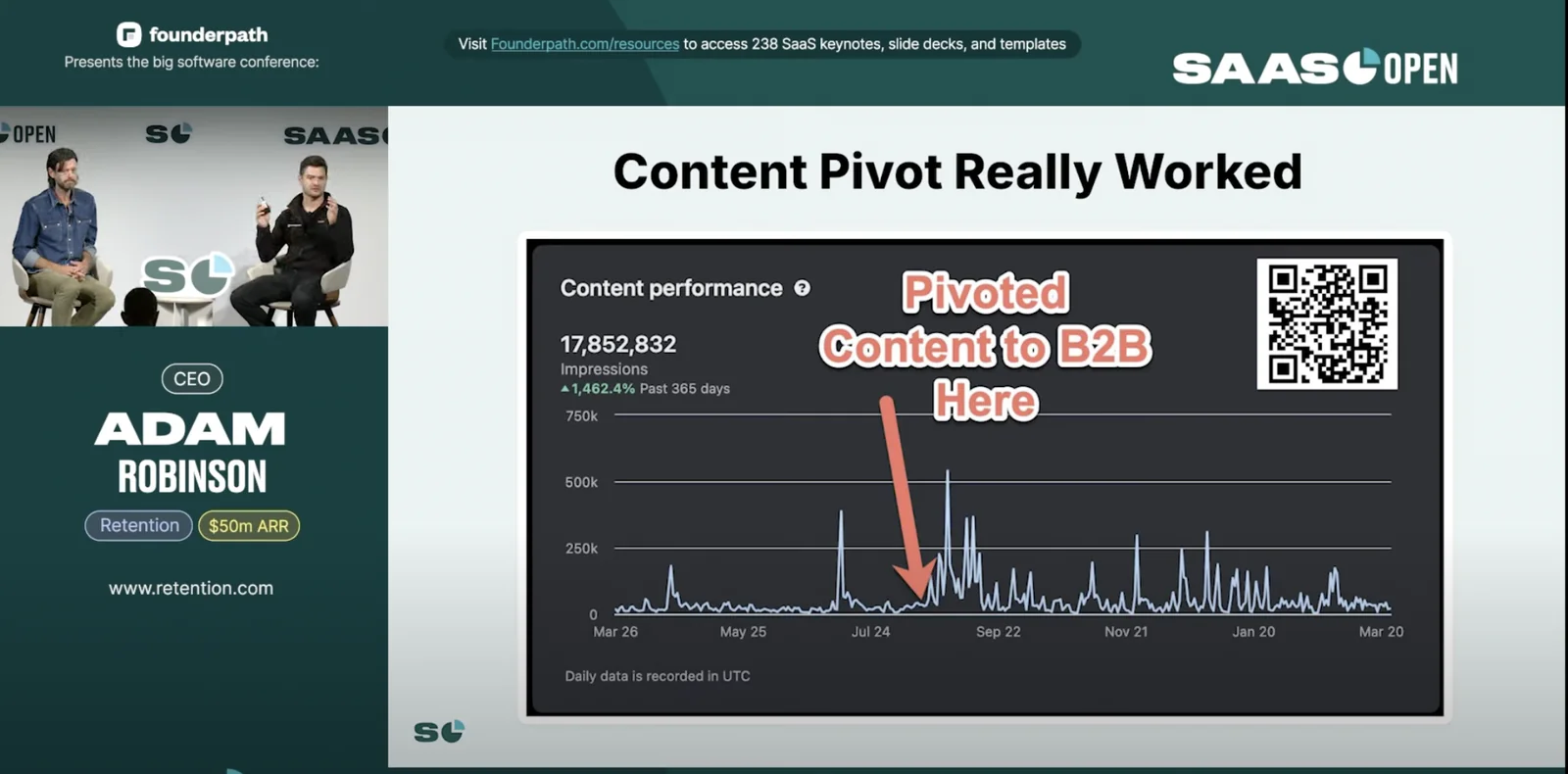
- ✓Founder & CEO of Retention.com and RB2B, scaled the company to $20M+ ARR using primarily social selling.
- ✓Grew his LinkedIn following to 100k+ in under 2 years, creating valuable content showing the behind-the-scenes of building a SaaS.
- ✓Combines personal founder storytelling with tactical SaaS growth advice, driving inbound leads, hires, and partnerships.
Justin Welsh (B2B)
- ✓Built a one-person business empire entirely through LinkedIn and Twitter/X.
- ✓Generates $3M+ in annual revenue from courses, coaching, and community with no marketing team.
- ✓Proof that social selling works even in B2B, with a focus on content consistency and value delivery.
Selena Gomez (B2C)
- ✓Grew Instagram following to 422M+, making her one of the most followed people on earth.
- ✓Launched Rare Beauty, which generated $400M in sales in 12 months.
- ✓A single life event post generated $30M+ in earned media value (EMV), proving the monetization power of authentic sharing.
Alix Earle (B2C)
- ✓TikTok star known for "Get Ready With Me" videos; products she features routinely sell out.
- ✓Named to Forbes 30 Under 30 (2023), aligning her brand with credibility and growth.
- ✓Estimated $6M net worth, with the "Alix Earle effect" driving hundreds of millions in sales for brands.

“What can I do to help this person?” is the Key to Modern Sales
The “social” in social selling isn't just about the platforms; it's about the very nature of human interaction. Today, buyers are savvier, more informed, and more connected than ever. They don't want to be sold to; they want to be helped.
Before making a significant purchase, most people now do extensive online research. They read reviews, compare features, and seek recommendations from their network. Social selling lets you be the trusted voice they encounter during that research phase, before they've even started looking at competitors.
Social Selling vs. Traditional Sales: A Fundamental Shift
To truly grasp social selling, it's essential to understand how it contrasts with traditional sales methodologies. Think of it as moving from hunting to farming.

Traditional Sales (The Hunter)
- •Outbound, interruptive (cold calls, unsolicited emails)
- •Product-centric, features and benefits
- •Goal: immediate sale
- •High volume, generic messaging
- •Transactional relationship
Social Selling (The Farmer)
- ✓Inbound, permission-based (attracting prospects)
- ✓Buyer-centric, understanding pain points
- ✓Goal: building long-term trust leading to sales
- ✓Targeted, personalized, value-driven
- ✓Relational, advisory
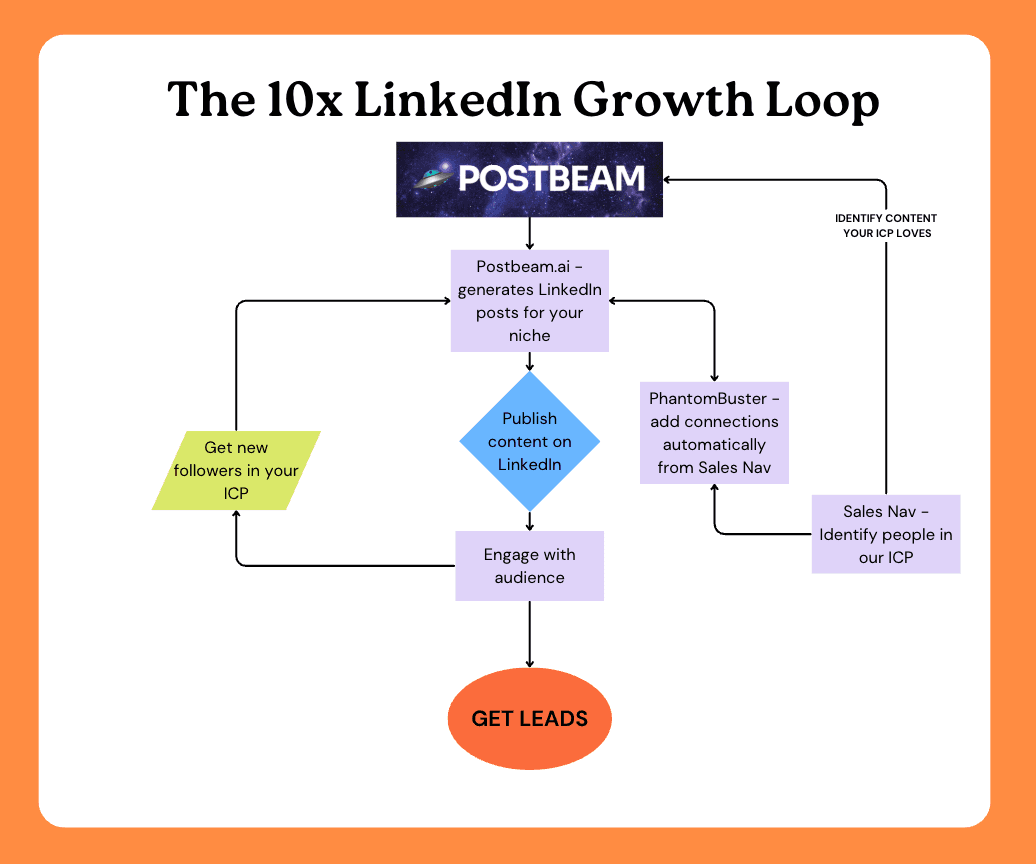
The 10x LinkedIn Growth Loop
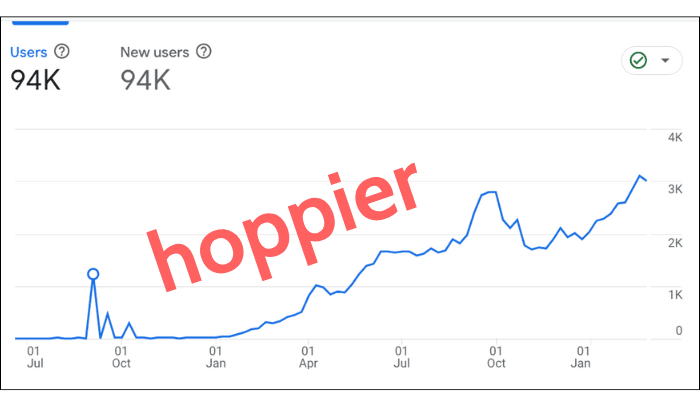
Here's the growth loop I've been using for years to create millions in leads for Hoppier.com and Postbeam.ai:
Build a LinkedIn Sales Navigator list with people in your ICP (Ideal Customer Profile)
Add the list into PhantomBuster to auto-connect with 25 people per day
Create content with Postbeam.ai to remind them you exist and build trust with B2B buyers
Bonus: use Postbeam as an employee advocacy tool, so you can encourage your team to post and multiply your reach
The 5 Pillars of a Social Selling Strategy
Scale Building Trust and Credibility Through Content
Trust is the most valuable currency in modern sales. By consistently sharing valuable insights, engaging thoughtfully in discussions, and demonstrating expertise, you build a reputation as a knowledgeable authority. The content you create lives on the platform forever and continues to attract and convert while you sleep. When you eventually suggest your product or service, it comes from a place of earned trust.
Expanding Your Network (and Your Reach) Exponentially
Social media platforms offer an opportunity to expand your network far beyond the limitations of geography and time. Set up a 10x Growth Loop to auto-connect with new prospects every day. Your network grows like a flywheel: your content gets shared, your insights gain traction, and your personal brand becomes a magnet for your ideal customers.
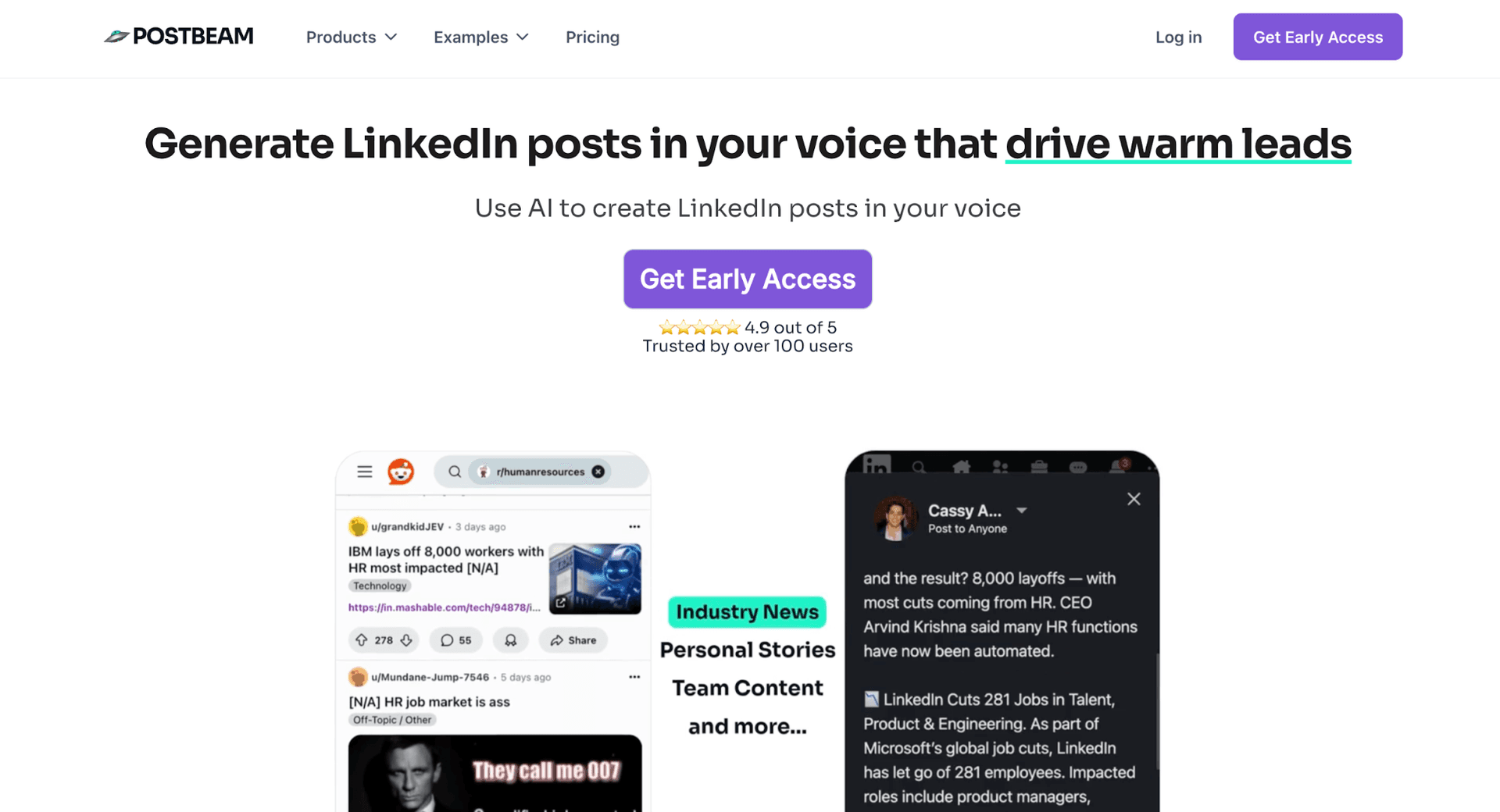
Qualifying and Nurturing Your Relationships
Social listening makes it possible to know exactly who is struggling with the problem your product solves. Prospects are often discussing their challenges in public forums. Tools like 6sense and Clay help you monitor who is looking for solutions like yours. Play the long game: nurture leads by providing relevant content, answering questions, and offering helpful perspectives until they're in buy mode.
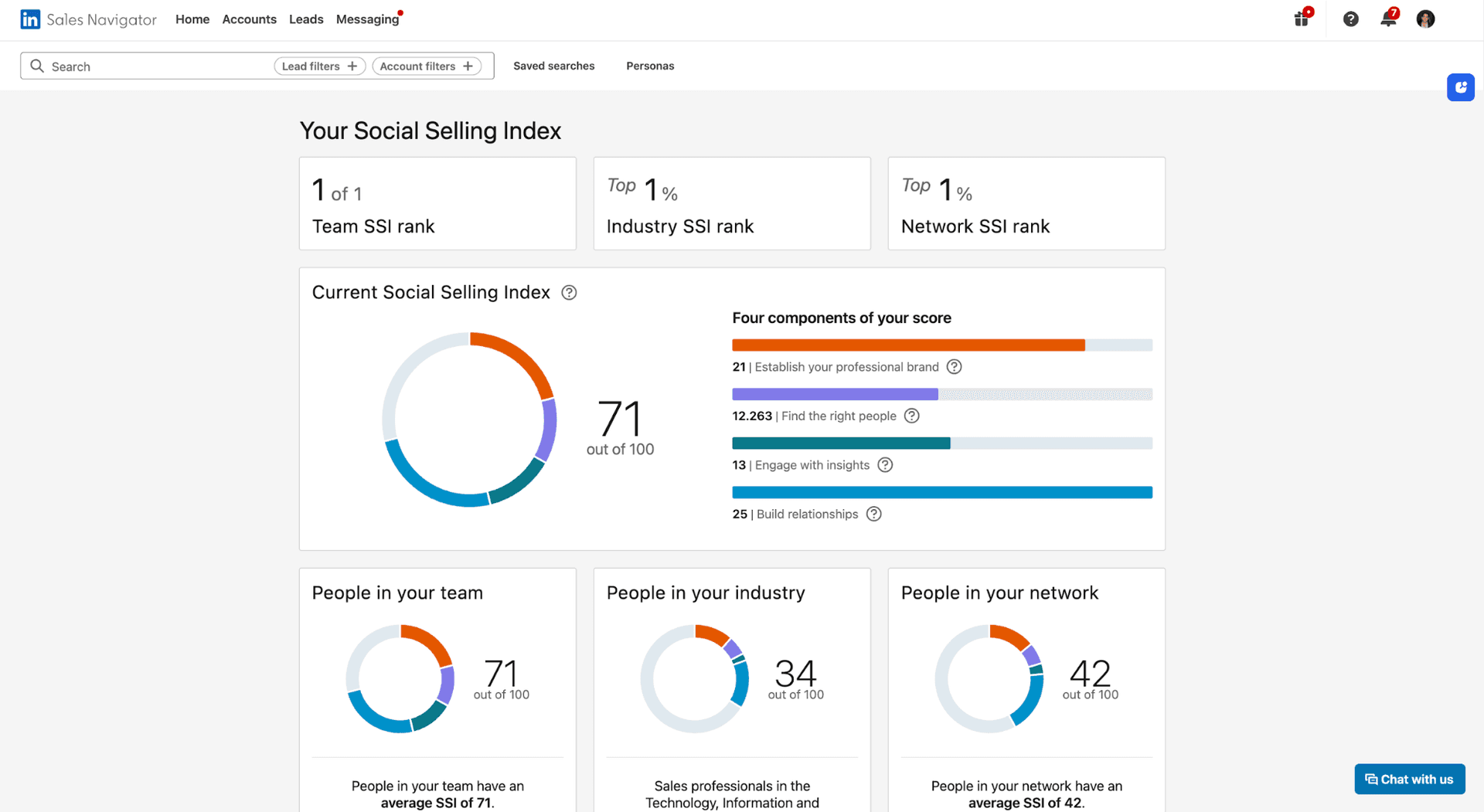
Shortening Sales Cycles: From Cold Call to Warm Conversation
When you've already established credibility and rapport through consistent social engagement, the initial barriers to trust are significantly lowered. Prospects look forward to talking to you. You're not trying to convince them of your legitimacy. You're moving straight into discussing their specific needs and how you can help.
Boosting Sales Performance and Revenue: The Bottom Line
All these benefits converge into one critical outcome: increased sales opportunities and revenue. Sales teams that embrace social selling often report higher win rates, larger deal sizes, and more consistent quota attainment. LinkedIn's own data shows social selling leaders create 45% more opportunities and are 51% more likely to hit quota.
Start social selling with Postbeam
Postbeam helps you post consistently, see who engages with your content, and follow up with warm context, so you can implement every pillar automatically.
Try Postbeam free for 7 days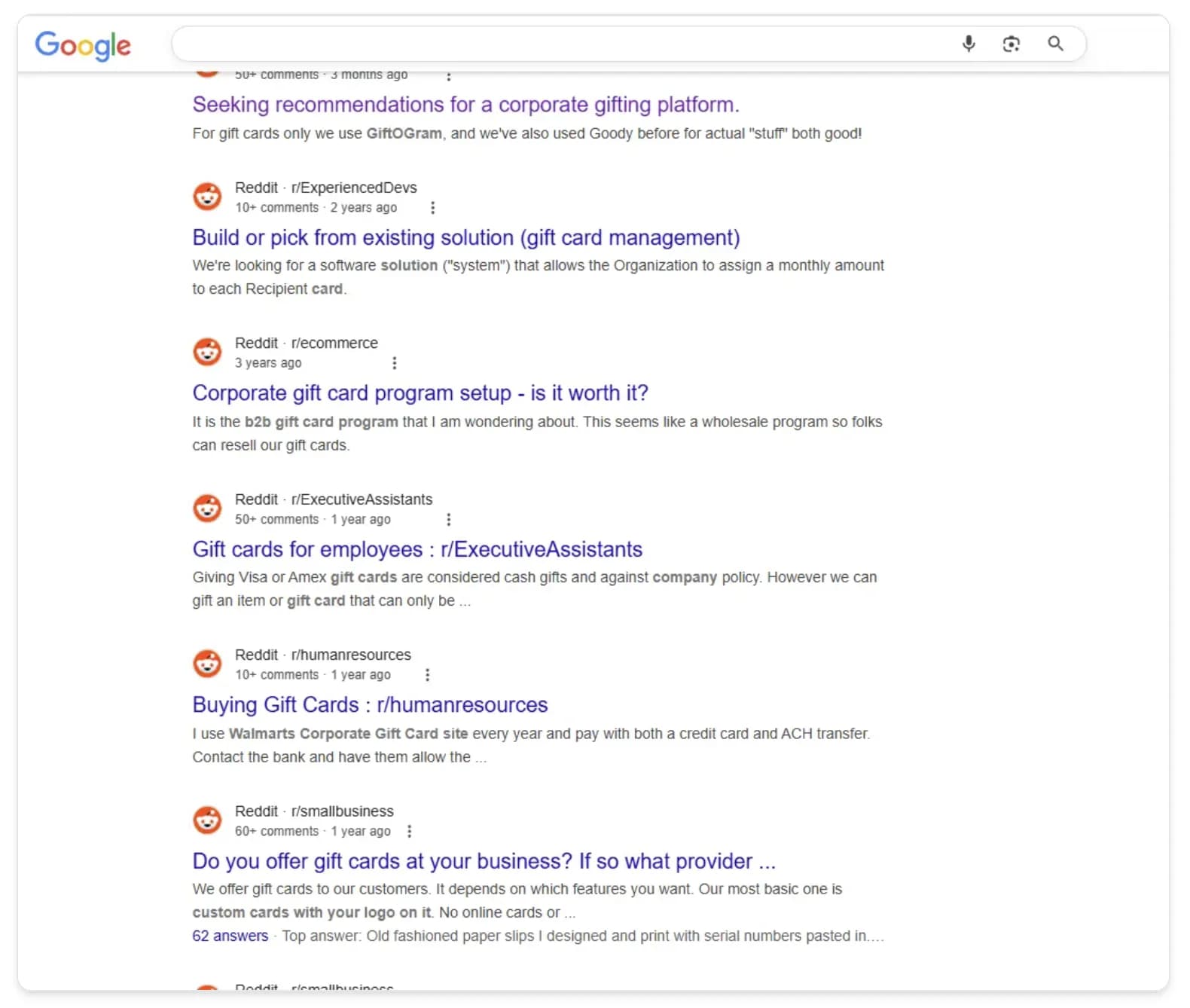
Effective Social Selling Techniques
1. Building and Optimizing Your Professional Brand: You Are Your Product
- ✓Professional Photo: A high-quality, friendly, and approachable headshot is non-negotiable.
- ✓Compelling Headline: Beyond your job title, craft a headline that clearly states who you help and how.
- ✓Rich Summary/About Section: Tell your story, highlight your expertise, showcase your personality.
- ✓Showcase Expertise: Share relevant articles, presentations, and thought leadership. Get recommendations.
- ✓Authenticity: Let your personality shine through. People connect with real people.
2. Finding and Engaging with the Right Prospects: Precision Over Volume
- ✓Deep Research: Use advanced search filters, group memberships, and content engagement patterns to identify your ideal prospects.
- ✓Active Listening: Monitor industry discussions, relevant hashtags, and prospect company news.
- ✓Targeted Engagement: Don't just "like" posts. Leave thoughtful comments, ask insightful questions, share related anecdotes.
- ✓Personalized Outreach: When you do reach out, make it clear you've done your homework. Reference something specific.
3. Providing Value and Insight (Not Just Selling): Become a Resource
- ✓Share Relevant Content: Curate and share articles, white papers, and insights that address your audience's pain points.
- ✓Create Original Insights: Write your own posts and articles that share your unique perspective.
- ✓Answer Questions: Be generous with your knowledge. If someone asks a question in your expertise area, answer it thoroughly.
- ✓Educate, Don't Preach: Offer solutions and ideas without immediately tying them back to your product.
4. Cultivating Relationships: The Long Game of Trust
- ✓Ongoing Engagement: Don't just connect and disappear. Periodically check in and comment on their updates.
- ✓Remember Details: Note key information about your connections, like their interests and their company's challenges.
- ✓Offer Help Proactively: If you come across something valuable to a connection, share it without expecting anything in return.
- ✓Move Beyond the Screen: The goal is often to move the conversation to a more personal format, like a call or meeting.
- ✓Follow Up Genuinely: If you've had a good conversation, follow up with relevant resources or a simple check-in.
The Tools of the Trade: Where Social Selling Happens
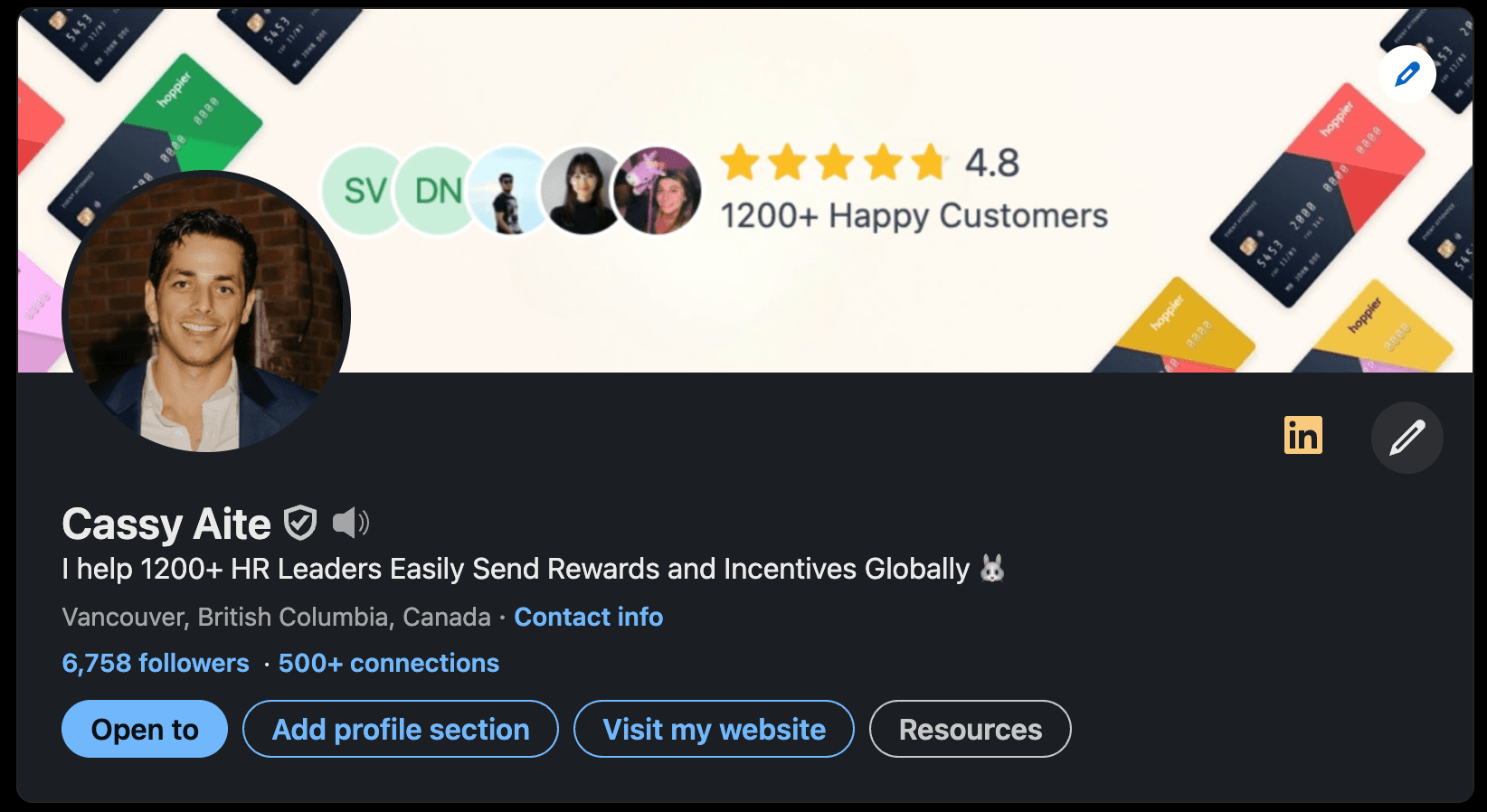
LinkedIn: The Undisputed Champion for B2B
For anyone in B2B sales, LinkedIn is not just a tool; it's the primary battlefield for social selling. Use it for professional networking, publishing thought leadership content (LinkedIn Pulse), identifying prospects via Sales Navigator, engaging in industry groups, and following prospect company pages for news and signals.
Your LinkedIn profile is your professional brand's home base. Tools like Postbeam help you make the most of it by keeping you consistent and surfacing who's engaging.
X (formerly Twitter): For Real-time Engagement
X excels at rapid engagement with breaking industry news, participating in trending conversations via hashtags, competitive intelligence monitoring, and quick thought leadership. Great for staying top-of-mind with a fast-moving audience.
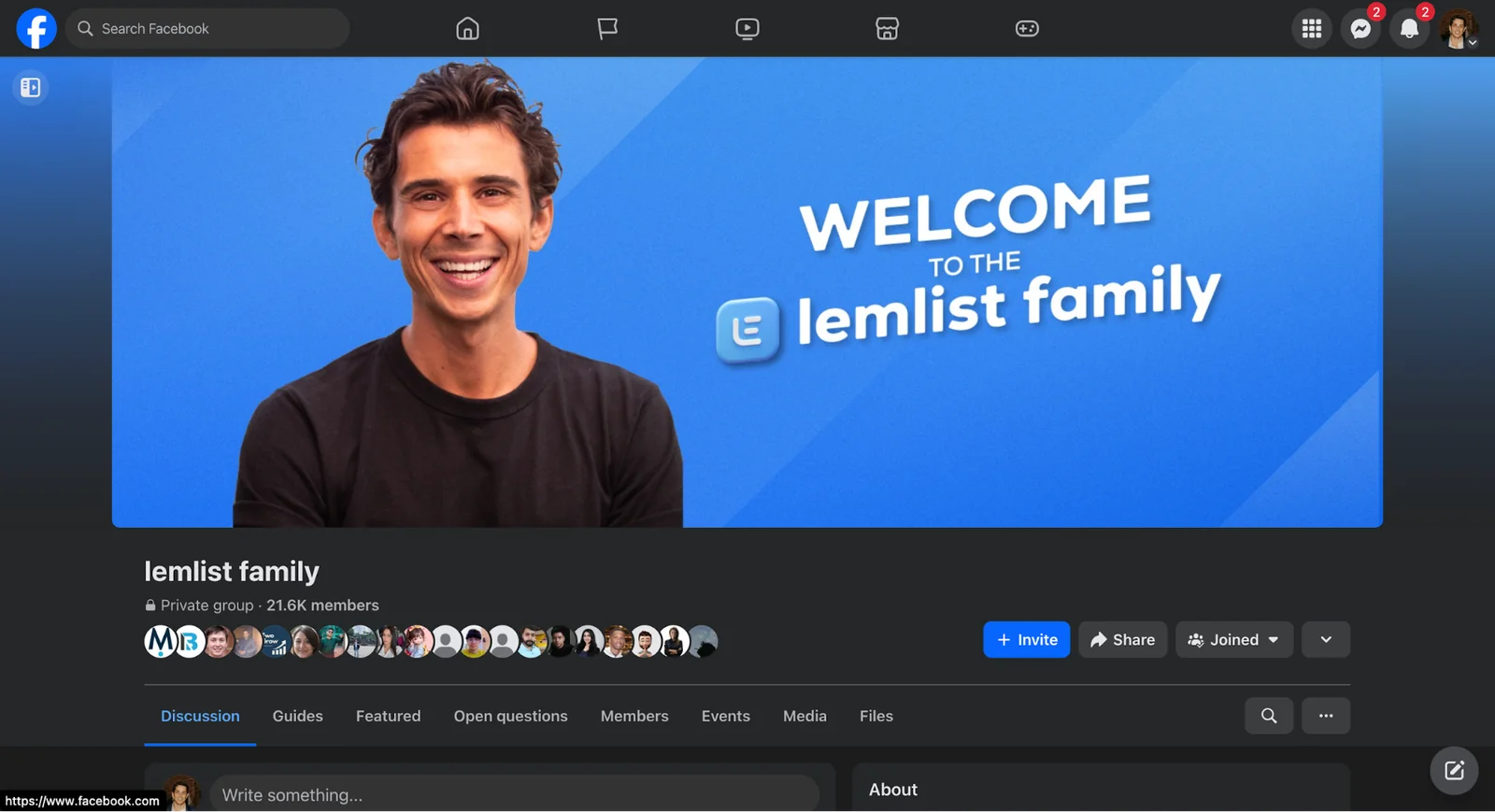
Facebook and Instagram: B2C and Community Building
While often associated with B2C, these platforms can play a role in B2B through niche Facebook groups, community building around your brand, and visual storytelling. The key is understanding where your specific audience spends their personal time.
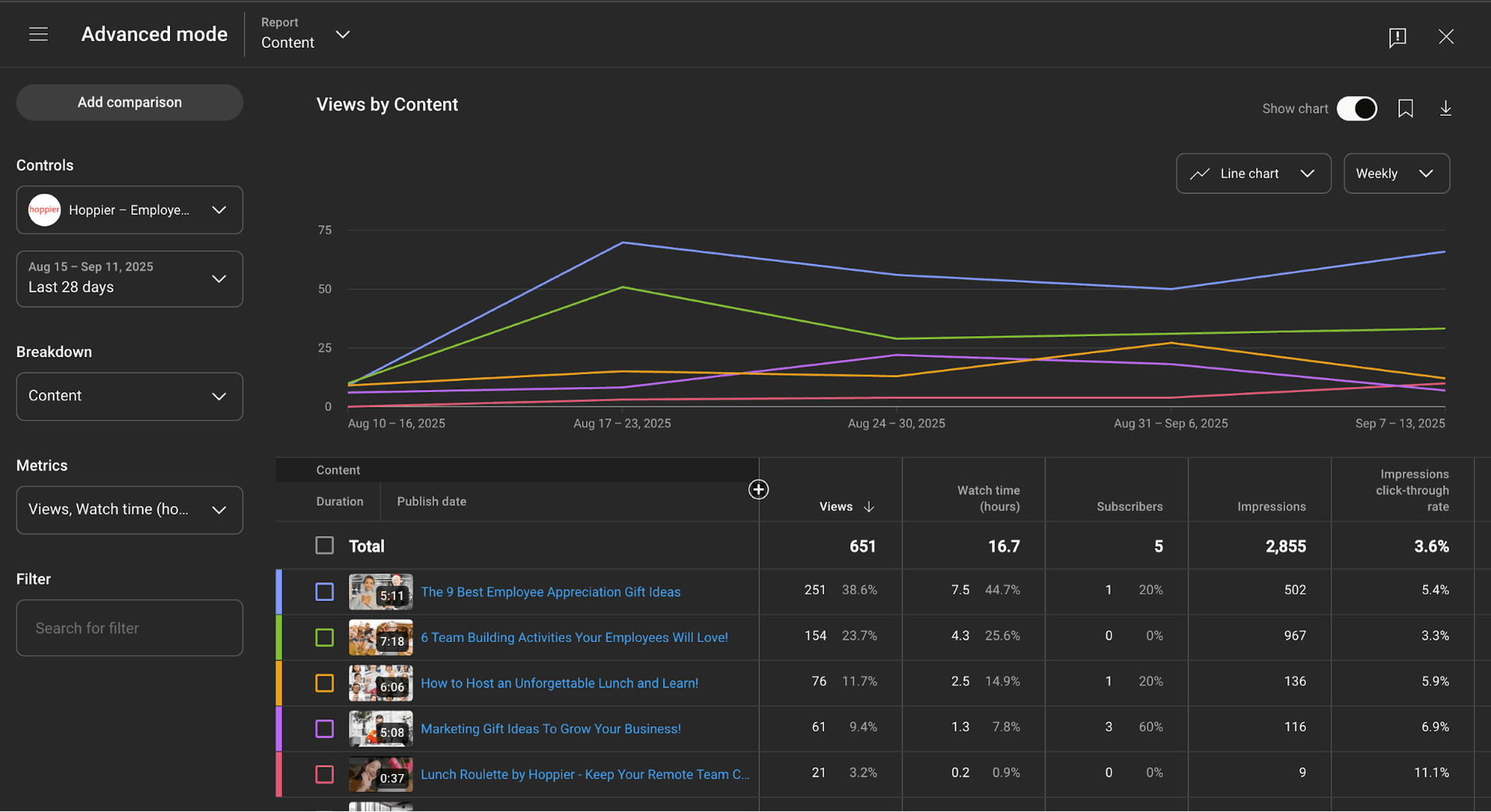
Other Platforms: Niche Opportunities
Reddit subreddits, YouTube, and industry-specific forums can be goldmines for understanding pain points and engaging in organic, non-commercial conversations. The choice of platform should always be driven by where your ideal customer spends their time.
How to Implement a Social Selling Strategy: Do This Exercise
Copy these questions into a document and answer them to build your own social selling strategy.
Define Your Target Audience
You can't sell effectively if you don't know who you're selling to. Go beyond demographics into psychographics: Who are they? What pain points keep them up at night? What are their goals? Where do they hang out online? What content do they consume?
Optimize Your Social Profiles for Sales Readiness
Your LinkedIn profile is your billboard. Ensure you have a professional photo, a benefit-oriented headline, a comprehensive About section with keywords, showcased work and testimonials, and a soft call to action.

Develop a Consistent Content Strategy That Adds Value
Curate relevant articles with your commentary. Create original posts addressing your audience's pain points. Educate, don't advertise. Diversify with text, images, and video. Even 1–3 valuable posts per week can make a significant impact.
Actively Listen and Engage with Your Network
Monitor keywords and hashtags in your industry. Search for prospects using advanced filters. Leave thoughtful comments. Send personalized connection requests that explain why you want to connect. Be genuine. The goal is to start conversations, not collect connections.
Move Conversations Offline (When the Time is Right)
Pay attention to buying signals: direct questions about your product, requests for more information, or comments that reveal active pain. Propose a natural next step: "I really enjoyed our discussion. Would you be open to a brief call?" Never pressure. Be helpful, not pushy.
Measure Your Efforts and Adapt
Track engagement rate, profile views, connection requests accepted, leads generated, and sales influence. Regularly analyze your data. Certain types of content will perform better. Certain platforms will be more effective. Continuously learn, iterate, and refine.
What this workflow actually looks like
Reading about social selling is one thing; watching the loop run end-to-end is another. The short walkthrough below shows what a modern LinkedIn social selling workflow looks like in practice, from drafting posts to spotting which engagers are actually in your ICP and starting a conversation with them.
Common Pitfalls to Avoid
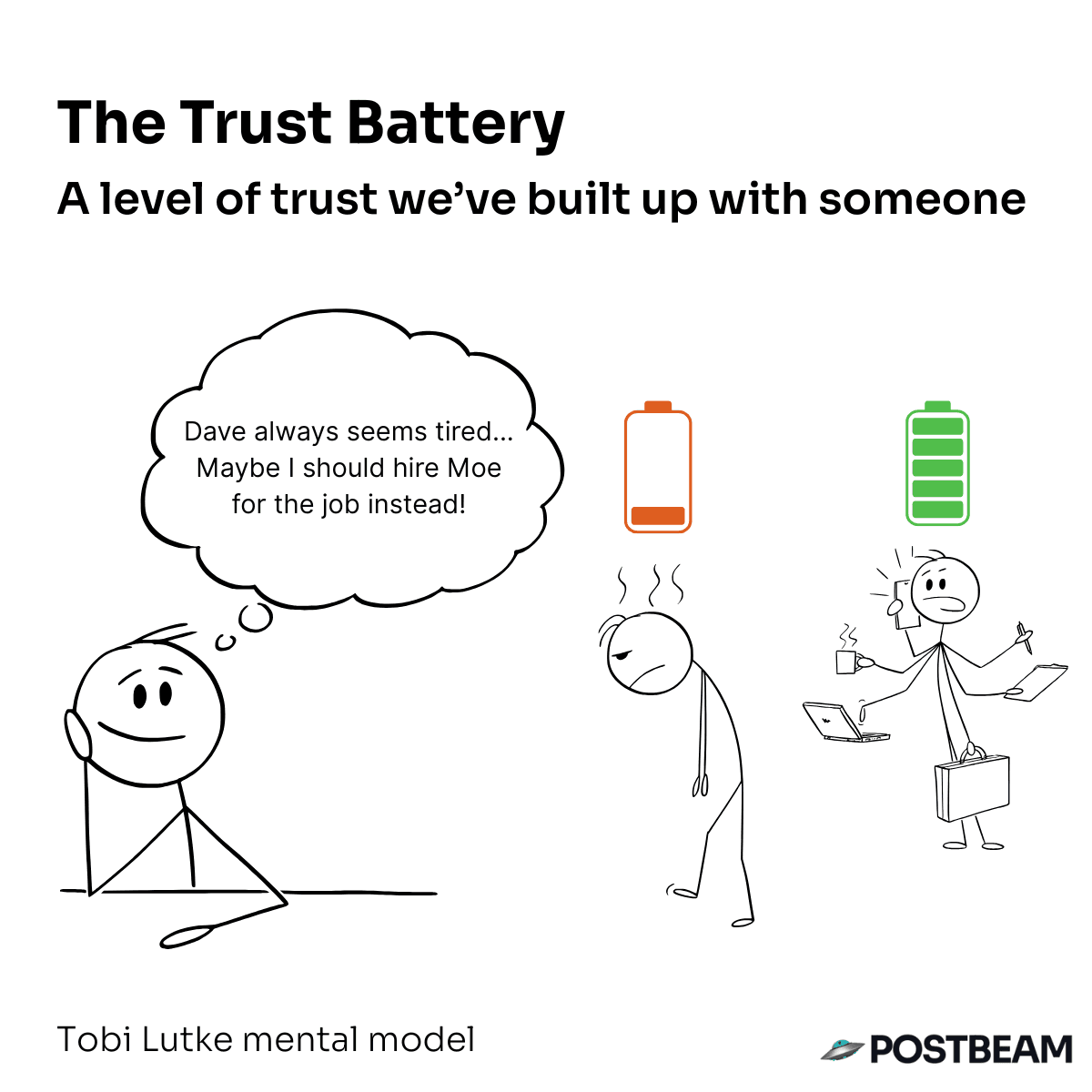
Treating Social Media Like a Billboard
If every post is a product pitch and every connection request leads to a demo offer, you'll alienate your audience fast. Think of the "trust battery": some interactions charge it (sharing knowledge, celebrating others) and some drain it (unsolicited pitches, pushy messages). The goal is to attract and advise, not aggressively sell.
Being Inconsistent
You can't post once a month and expect results. Social selling requires consistent effort. Build a sustainable content rhythm and commit to it. A dormant social presence is almost as bad as no presence at all.
Ignoring Data and Feedback
Pay attention to which posts get engagement, which connections lead to conversations, and which strategies fall flat. Iterate based on what the data tells you, not just what feels comfortable.
Neglecting Relationship Nurturing
Social selling is a long-term strategy centered on building relationships. Don't ghost your connections after an initial interaction. The biggest pitfall is impatience. The deals come to those who consistently show up and provide value.
The Future of Sales is Social
The old ways of sales are diminishing in effectiveness. Buyers are empowered, informed, and demand authenticity. Social selling meets them where they are: with value, with expertise, and with a genuine desire to help.
Embrace this new era. Build your brand, provide value, and connect authentically. The future of your sales career depends on it.
Related articles:
- The 40+ Best Social Selling Tools in 2026 (All 9 Categories)
- LinkedIn Marketing Agency: Costs, Best Agencies & When to Hire One
- Executive Thought Leadership Strategy: The 2026 Playbook
- LinkedIn Social Selling Index (SSI): What It Is & How to Improve It
- 50 LinkedIn Post Ideas That Actually Get Engagement
- LinkedIn Outreach Automation: How to Build a System That Actually Works
Free LinkedIn tools from Postbeam:
- LinkedIn Text Formatter: format your posts with bold, italic & more
- LinkedIn Post Preview: see how your post looks before publishing
- LinkedIn Character Counter: check your post length in real time
- Earned Media Value Calculator: what your organic reach would cost as ads
- AEO Checker: score how ready your content is to get cited by AI